
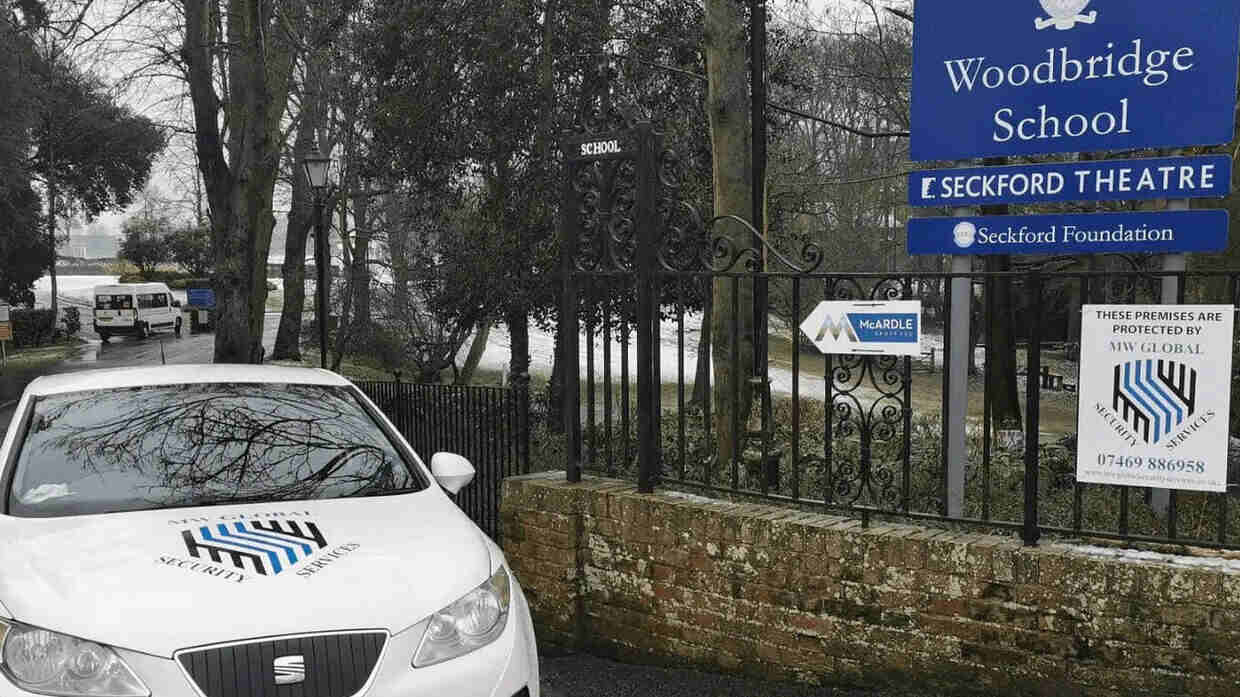
School Security Services
Professional security support for schools, colleges and education settings—protecting people, premises and learning environments.
SIA-licensed and DBS-checked officers | Visitor and access control | Security audits and planning | 24-hour support
Safeguarding Support
Physical security arrangements designed to support—not replace—the school’s safeguarding policy and leadership responsibilities.
Controlled Access
Visitor, contractor, delivery, staff and vehicle access managed through agreed school procedures.
Emergency Preparedness
Support for practical lockdown, evacuation, invacuation, communication and incident-response planning.
Out-of-Hours Protection
Patrols, keyholding, lock-up, alarm response and temporary guarding for unoccupied premises.
Security That Supports a Safe Learning Environment
Schools must remain welcoming places for pupils, staff, families and authorised visitors while maintaining clear boundaries around who may enter, where they may go and how concerns are reported.
MW Global Security Services provides physical and operational security for schools, academies, colleges and suitable education premises. Services may include reception security, visitor management, access control, patrols, guarding, keyholding, alarm response, CCTV, intruder alarms, security audits and consultancy.
The appropriate service depends on the setting. We consider age groups, site layout, public access, arrival and collection periods, staff entrances, contractors, deliveries, community use, car parks, external buildings, lone working and out-of-hours risks.
Security measures should complement the institution’s safeguarding, health-and-safety and emergency arrangements. The headteacher, governing body, designated safeguarding lead and other competent personnel retain their statutory and managerial responsibilities.
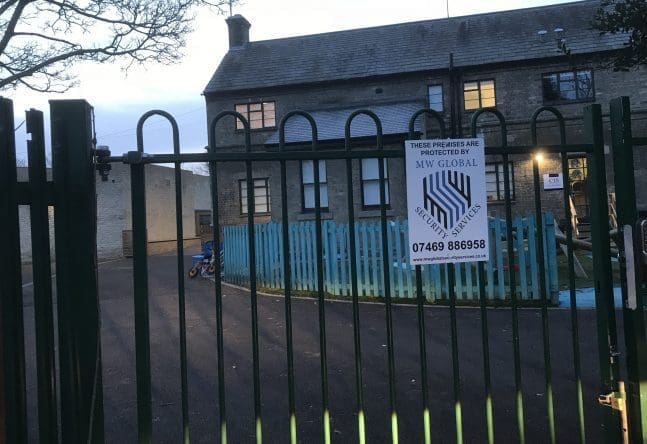
Education Settings We Can Support
Security is planned around the pupils, premises, operating hours and activities of the individual setting.
Primary and Secondary Schools
Visitor access, gates, arrival and collection periods, contractors, events and out-of-hours protection.
Academies and Multi-Academy Trusts
Consistent security standards, site-specific arrangements, reviews and coordinated reporting across multiple premises.
Colleges and Sixth Forms
Larger campuses, open movement, public-facing services, events, workshops and varied access arrangements.
Independent Schools
Day, boarding, event, visitor and estate-security requirements tailored to the institution and grounds.
Specialist Education Settings
Careful planning where pupils, behaviour, medical needs, mobility or communication affect security procedures.
Premises During Holidays or Works
Temporary guarding, patrols, contractors, refurbishment, valuable equipment and reduced staffing.
Visitor Management and Controlled Access
A secure entrance should allow authorised people to enter efficiently while preventing unverified access to pupils, staff and restricted areas.
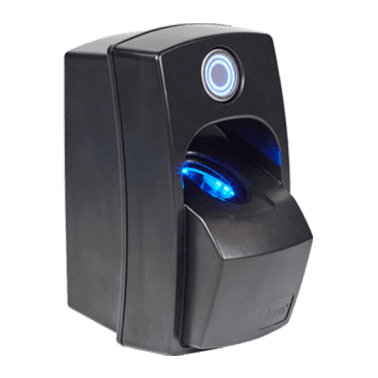
Visitor Verification
Checking appointments, identification and host information before access is granted.
Pass and Badge Control
Issuing and collecting agreed visitor or contractor passes and reporting missing credentials.
Contractors and Deliveries
Directing arrivals to the approved entrance, reception, induction or responsible member of staff.
Unexpected or Refused Visitors
Applying the school’s access decision and escalating challenging or threatening behaviour.
Arrival and Collection Periods
Supporting gates, vehicle movement and access boundaries during particularly busy periods.
Access Records
Recording refused entry, suspicious behaviour, lost passes and other notable access concerns.
Security officers apply the institution’s authorised access process. They do not independently decide who may collect a child, waive safeguarding requirements or make exclusions, disciplinary or HR decisions.
Common School Security Risks
Unauthorised Access
Open gates, tailgating, busy entrances, unverified contractors and assumptions about familiar visitors can weaken access control.
Aggressive or Distressed Visitors
Disputes, refused access or safeguarding concerns may require calm boundaries, management support and escalation.
Theft, Vandalism and Arson
Computers, tools, sports equipment, cabling, outbuildings and temporarily unoccupied premises can be targeted.
Lone Working and Extended Use
Early arrivals, late working, cleaning, lettings and community activities may leave fewer staff on site.
Serious and Major Incidents
Schools should prepare proportionate procedures for serious violence, suspicious activity, threats and other major incidents.
Perimeter and Internal Weaknesses
Damaged fencing, uncontrolled doors, poor lighting and access to roofs, plant rooms or stores can undermine the wider plan.
School Security Guards and Defined Duties
Where guarding is proportionate, the role should be carefully defined around the setting, safeguarding arrangements and operational need.
- Reception and entrance security
- Visitor and contractor verification
- Pass, key and access-control support
- Gate and vehicle-access duties
- Internal and external patrols
- Checks of boundaries, doors and outbuildings
- Monitoring agreed CCTV or alarm information
- Supporting lone workers and late staff
- Recording refused or unexpected access
- Incident and defect reporting
- Following lockdown or emergency instructions
- Escalating concerns to the designated school contact
Officers do not replace teaching staff, pastoral teams, the designated safeguarding lead or senior leadership. They should not undertake pupil discipline, restraint, searches or safeguarding decisions unless the role, authority, training and legal basis have been separately and appropriately established.
View our dedicated security guard services.
School Security Policy and Planning
A useful security plan explains responsibilities, access arrangements, likely incidents, communication and the actions expected from staff.
Governance and Responsibility
Identify the people responsible for policy, safeguarding, premises, emergency planning, communications and reviewing incidents.
Access and Visitor Procedures
Define entrances, identification, passes, contractors, deliveries, collections, refused access and lost credentials.
Incident and Escalation Routes
State who is contacted, what should be recorded and when police, emergency services or local authority support is required.
Lockdown and Emergency Procedures
Plan how instructions will be communicated and how pupils, visitors and people requiring additional support will be managed.
Training and Awareness
Provide role-appropriate information, induction and exercises without creating unnecessary fear or disclosing sensitive security details.
Review and Improvement
Review the plan following incidents, exercises, building changes, new access arrangements or changes in local risk.
Our site security audits and security consultancy can help identify physical and operational weaknesses and support the development of practical recommendations.
Lockdown, Invacuation and Emergency Preparedness
Emergency procedures should be proportionate to the setting, understood by staff and coordinated with safeguarding, fire, health-and-safety and business-continuity arrangements.
Clear Activation Decisions
Identify who may activate a procedure, how the decision is communicated and who contacts emergency services.
Reliable Communication
Use methods that can reach classrooms, external areas, staff, visitors and people who may not hear a conventional alarm.
Additional Needs
Consider mobility, communication, medical and behavioural needs when planning movement, protected spaces and supervision.
Exercises and Debriefs
Test arrangements sensitively, record lessons and improve procedures without creating unnecessary distress.
Security personnel can support agreed procedures, access points, communication and perimeter observations. They do not independently determine the school’s emergency policy or replace police and emergency-service direction.
CCTV, Intruder Alarms and Access-Control Systems
Electronic security can support prevention, detection, evidence and response when each system has a defined purpose and is used appropriately within an education setting.
School CCTV Systems
Cameras can support entrances, boundaries, car parks, external areas and agreed internal routes. Design must consider privacy, safeguarding, data protection and areas where surveillance would be inappropriate.
Intruder Alarm Systems
Detection can protect main buildings, stores, outbuildings and selected restricted areas when the premises are closed.
Electronic Access Control
Fobs, cards, intercoms and controlled doors can separate public, staff and restricted access, but procedures are still needed for tailgating, faults and lost credentials.
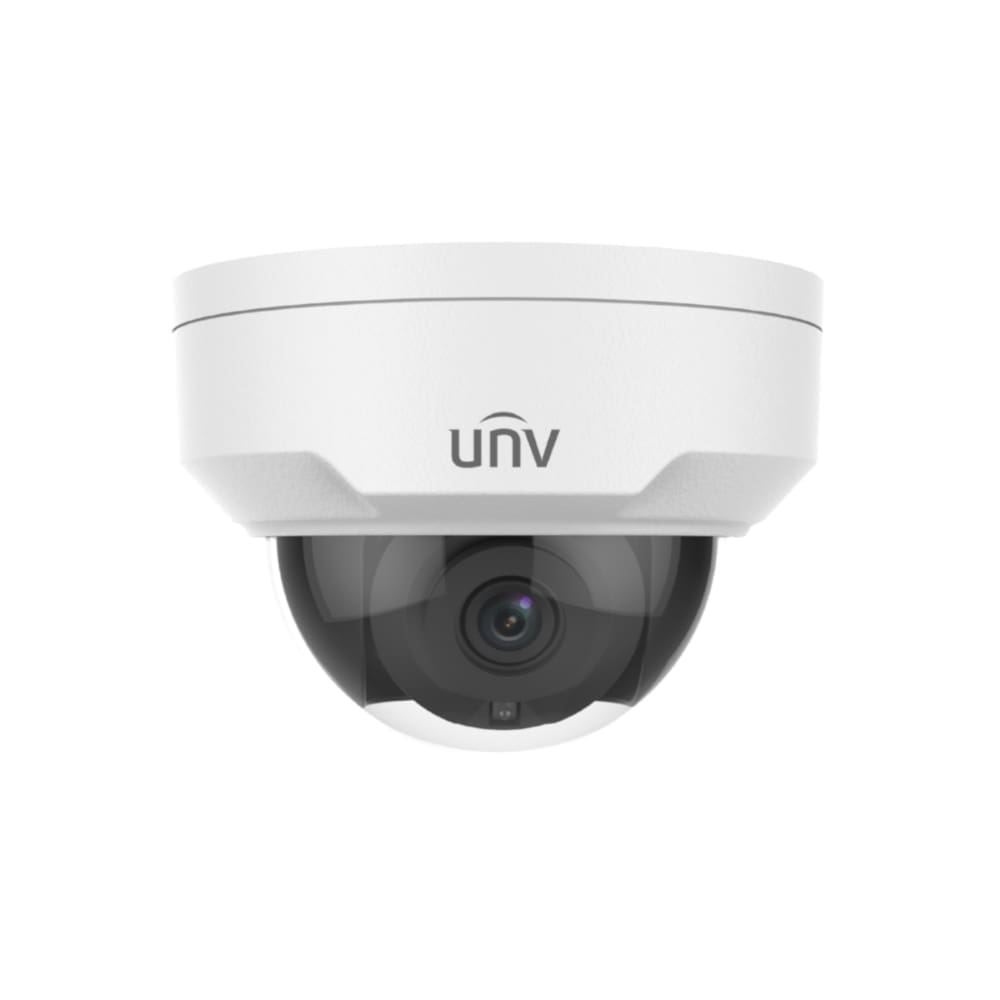

Out-of-Hours and Holiday Security
School premises can become more vulnerable during evenings, weekends and holidays, particularly where buildings contain valuable technology, tools, sports equipment or materials.
- Mobile patrols: scheduled checks of entrances, boundaries, car parks and agreed buildings
- Lock-up and unlock: checking agreed doors, windows, alarms and internal areas
- Keyholding and alarm response: trained attendance under the agreed site procedure
- Temporary guarding: short-term cover following damage, system failure, refurbishment or heightened concern
- Holiday works: contractor access, delivery records and protection during maintenance or construction
Learn more about mobile patrols and alarm response and keyholding.
School Security Audits and Consultancy
Not every school needs a permanent guard. A structured review can help identify the most proportionate improvements before money is committed.
Site Security Audits
Review entrances, boundaries, reception, lighting, doors, outbuildings, internal restricted areas and existing procedures.
Security Consultancy
Support security policy, emergency planning, guarding requirements, system specifications and implementation priorities.
Proportionate Recommendations
Prioritise immediate procedural changes, maintenance, physical improvements and longer-term investment according to risk.
Protective Security and Martyn’s Law
The Terrorism (Protection of Premises) Act 2025 is commonly known as Martyn’s Law. Education settings should use current Department for Education and Home Office guidance to understand how the legislation and implementation arrangements apply to their particular premises.
Physical security services may support wider preparedness through access control, security reviews, communication planning, staff awareness and response procedures. No guarding contract, audit, camera system or alarm installation automatically establishes legal compliance.
Schools can also use official education-specific resources, including Department for Education school and college security guidance and ACT for Education training from ProtectUK.
Our School Security Process
1. Initial Discussion
We establish the setting, age groups, site use, concerns, current arrangements and desired outcome.
2. Site Review
Entrances, boundaries, reception, contractors, outbuildings, systems and operating periods are considered.
3. Security Plan
Recommended services, duties, patrols, procedures, reporting and escalation arrangements are agreed.
4. Implementation
Officers, systems or other agreed measures are introduced alongside the institution’s authorised procedures.
5. Review
The arrangement is reviewed following incidents, exercises, building changes or changes in school use.
Why Choose MW Global Security Services?
Education-Site Experience
Practical experience supporting schools and other environments where safeguarding and controlled access are essential.
DBS-Checked Officers
Security officers assigned to education environments are SIA-licensed and DBS-checked.
Defined Responsibilities
Duties are agreed with the school and do not blur responsibility for safeguarding, discipline or leadership decisions.
Physical and Electronic Security
Guarding can be coordinated with audits, CCTV, alarms, access control, patrols and response arrangements.
School Security: Frequently Asked Questions
What school security services do you provide?
Services may include security guards, reception and visitor management, patrols, access-control support, keyholding, alarm response, lock-up and unlock, CCTV, intruder alarms, security audits and consultancy.
Does every school need a security guard?
No. The appropriate response may be improved procedures, maintenance, access control, CCTV, alarms, mobile patrols or a combination of measures. A site review can help determine what is proportionate.
Can a security officer decide who may collect a pupil?
No. Officers apply the school’s authorised collection and access process. Decisions about parental responsibility, safeguarding or collection permissions remain with the school and appropriate authorities.
Can officers deal with aggressive or refused visitors?
Officers can communicate boundaries, apply the school’s access decision, request senior staff support and follow agreed escalation procedures. Police should be contacted where the behaviour or risk requires it.
Can security support school lockdown planning?
Yes. Consultancy can support access, communication, perimeter, visitor and response considerations. School leadership remains responsible for approving procedures and aligning them with safeguarding, fire, health-and-safety and official guidance.
Does a security audit prove Martyn’s Law compliance?
No. An audit can identify physical and operational vulnerabilities, but it does not by itself establish compliance with the Terrorism (Protection of Premises) Act 2025 or replace official guidance and the institution’s wider responsibilities.
Can you provide security during school holidays or building works?
Yes, subject to assessment and availability. Temporary services can include contractor access, delivery records, patrols, alarm response, keyholding and static guarding.
Can the service include CCTV and alarms?
Yes. Suitable CCTV, intruder alarms and access-control systems can support the wider security plan. Design should consider safeguarding, privacy, data protection, site use and the response required following an activation.
Related School Security Services
School Security Across East Anglia and Wider UK Locations
MW Global Security Services supports suitable schools and education settings across Suffolk, Norfolk, Cambridgeshire, Peterborough and surrounding areas. Security for larger assignments and selected locations elsewhere in the UK may be available by arrangement.
Discuss Your School Security Requirements
Tell us about the setting, entrances, visitor arrangements, safeguarding interfaces, out-of-hours use and the concerns you need the security plan to address.
See our 5-star Google reviews.