
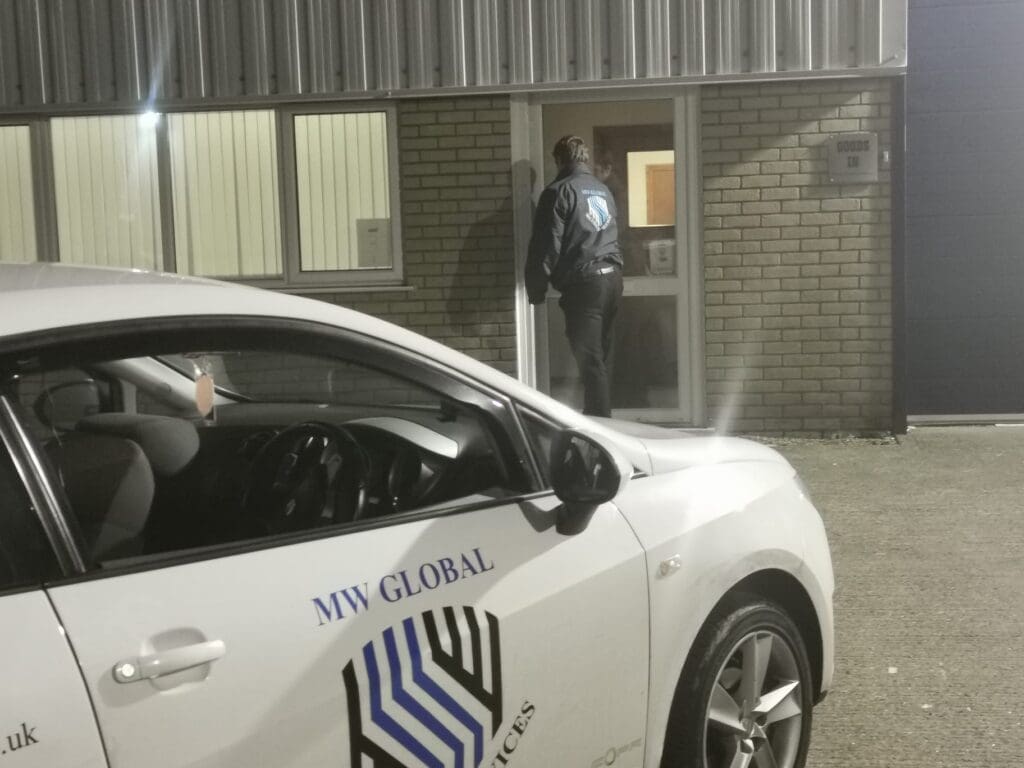
Keyholding & Alarm Response Across East Anglia
Secure keyholding and trained guard visits after alarm alerts for businesses, commercial premises, vacant property and some homes.
SIA-licensed officers | Secure key management | Site-specific plans | Incident reporting
Protect Your Staff
Staff and managers do not have to attend uncertain alarms alone.
Secure Keyholding
Keys are coded, controlled and held for authorised service use.
Agreed Response Plan
The officer follows site-specific instructions and escalation contacts.
Clear Reporting
Attendance, findings and actions can be recorded for management review.
One Keyholding and Alarm Response Service
Keyholding and alarm response work best together. We hold an authorised set of keys, act when an alarm is raised, visit the site and follow the agreed response plan.
Staff do not need to travel to the site at night. They also avoid entering before the cause is known. It also gives the responding officer access to the areas needed for a proper check.
The plan covers the site, alarm, access limits and named contacts. It can work with your alarm or CCTV firm. It can also link with monitoring, patrols and guarding.

What the Service Includes
The final service depends on the property and contract. These are the three main parts.
Professional Keyholding
We hold an approved set of keys for agreed duties. Keys are coded and managed so that they are not openly linked to the property address.
Alarm Response
A trained officer attends after an alarm, CCTV alert or approved call-out. The officer checks the risk before entry or further action.
Combined Service
Keyholding gives the officer safe access to check the site. The alarm may be reset where approved. The site is then secured before departure.
Why Businesses Use Keyholding and Alarm Response
The main benefit is a safer visit when the alarm cause is unknown.
Avoid Lone Attendance
Staff do not need to face a possible break-in, fire, flood or hostile situation without support.
Faster Access
An approved key set can prevent delays while distant staff travel to the site.
Consistent Decisions
The officer follows agreed instructions during each incident.
Reduced Disruption
False alarms or minor faults can often be handled without waking senior staff.
Better Records
A written report helps managers see what happened and what to do next.
Joined-Up Security
The service can link with alarms, CCTV, patrols and temporary guards.
Setting Up the Service
Good planning is vital. An officer needs clear access and response steps before a call-out.
1. Initial Discussion
We confirm the site, alarm, access needs, risks and required cover.
2. Site Survey
We check entry routes, weak points, alarm controls, keys and emergency steps.
3. Site Instructions
The response plan lists approved actions, contacts, limits and next steps.
4. Key Handover
Keys, fobs and access items are received, coded and logged.
5. Service Activation
The alarm firm, client contacts and response plan are checked before cover starts.
Secure Key Management
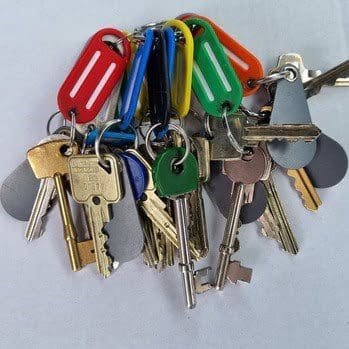
Keys and access devices follow a secure process. They can be sealed, coded and given an internal reference. The reference should not openly identify the property.
The site plan states who can approve use. It also lists access limits and how keys are returned. Changes to locks, fobs or alarm codes must be reported.
Clients may choose a chaperone service and keep their own keys. Our officer then meets or escorts the approved keyholder.
What Happens During an Alarm Response?
Safety comes first. The response depends on the alarm details, the findings and the site plan.
1. Notification
The alarm firm or approved client contact requests a visit.
2. Dispatch
An available officer is sent with the site plan and access details.
3. External Assessment
The officer checks the building and grounds. They look for entry, fire, flood, damage or danger.
4. Safe Investigation
Where it seems safe and entry is approved, the officer checks the alarm point and agreed areas.
5. Escalation and Action
The officer calls the right people or emergency services when needed.
6. Re-Secure and Report
The alarm may be reset where approved. The site is secured as far as possible. The visit is then logged.
When the Officer Finds a Serious Incident
The officer does not take needless risks just because keys are available. Signs of crime, fire or danger change the response. The officer stays safe and follows the agreed plan.
This may mean calling emergency services, the alarm firm, a client contact or an approved contractor. The officer may stay where this is safe and part of the service.
After a break-in or major fault, guards may be needed until the site is secure. Temporary cover is priced separately and depends on staff availability.
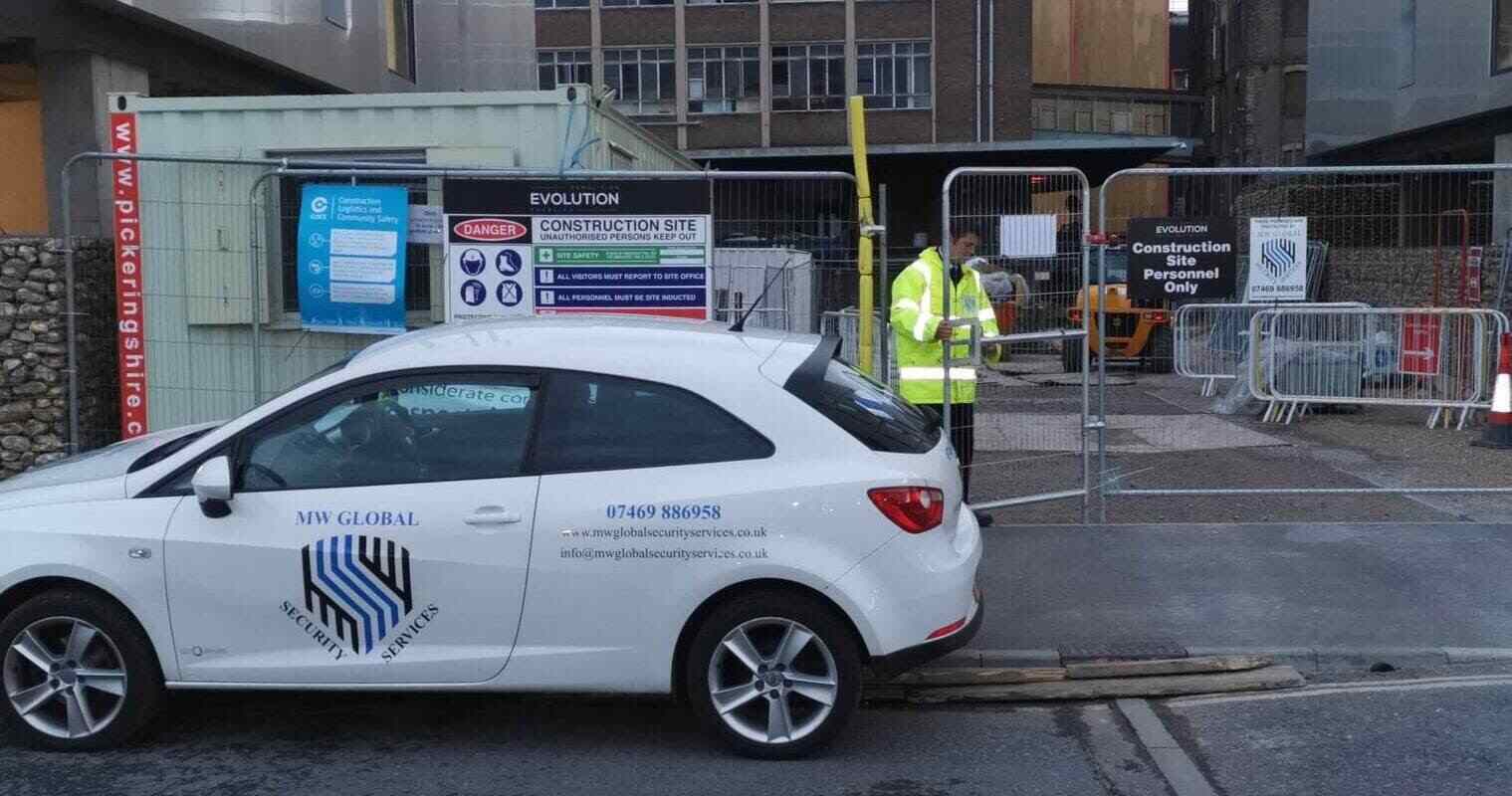
Remove the Risk of Staff Attending Alarms Alone
Tell us the site location, alarm arrangement and current keyholder process. We will explain the most suitable setup.
Related Security Options
Keyholding and alarm response can operate alone or as part of a wider security plan.
Alarm Monitoring
An alarm firm can review events and contact the agreed responder.
Mobile Patrols
Scheduled or random visits add a visible presence between alarms.
Lock-Up and Unlock
Officers can open or secure agreed areas and manage alarms.
Alarm Systems
A well-designed alarm gives better details and supports a better response.
Security Guarding
Permanent or temporary guards may suit sites that need full-time cover.
Properties That Can Use the Service
The plan must suit the site. A small shop and a large factory need different steps.
Offices & Business Parks
Protect closed offices without asking managers to attend uncertain alarms.
Warehouses & Logistics
Support access to yards, loading bays, stores and alarm zones.
Retail Premises
Provide a clear response for shops, rear areas, stock rooms and shutters.
Industrial & Energy Sites
Use site-specific plans for large or restricted sites.
Construction & Temporary Sites
Support compounds, cabins and work areas where keyholders live far away.
Vacant Property
Respond to alarms at empty homes, offices, workshops and sites.
Alarm Response Reports and Client Updates
A response should leave a useful report, not just an attendance note.
Attendance Details
The report can show the date, arrival time, departure time and officer.
Findings
Notes can show signs of entry, alarm details, faults, hazards and checks.
Actions Taken
The record can show calls, alarm resets, contractors and how the site was left.
Photographs
Photos may be added where they are useful, allowed and safe.
Client Escalation
Named contacts receive updates under the agreed call plan.
Follow-Up Advice
Repeat alarms or weak points can be flagged for repair or review.
What Affects the Cost?
We provide a clear quote based on the site and response need. It will show setup, keyholding and call-out charges.
Site Location
Distance, local cover and the patrol route affect the service.
Keyholding Requirement
The number and type of keys or fobs may affect setup.
Alarm and Access Complexity
Several buildings, zones, gates or restricted areas need more detail.
Response Duties
External checks differ from full entry, alarm resets or waiting on site.
Expected Call-Outs
The service may use a standing fee plus call-out charges.
Additional Cover
Guards, repairs, patrols and long visits are usually priced separately.
A Practical Note About Response Times
Alarm response is not an emergency-service guarantee. Travel time can change due to distance, traffic, weather, road closures and live incidents.
Any response target must be agreed for the site before cover starts. Sites that need constant cover may require an on-site guard.
Keyholding and Alarm Response Coverage
Cover depends on the site, alarm, required response and patrol route.
Suffolk
Including Stowmarket, Ipswich, Bury St Edmunds, Newmarket, Woodbridge, Felixstowe and suitable nearby locations.
Cambridgeshire & Peterborough
Including Cambridge, Ely, Huntingdon, Peterborough and selected surrounding areas.
Norfolk
Including Norwich, Great Yarmouth, King’s Lynn and suitable nearby commercial locations.
Wider Regional Coverage
Selected assignments are available in Bedfordshire, Lincolnshire, Leicestershire, Northamptonshire, Rutland and Milton Keynes.
Why Choose MW Global Security Services?
- SIA-licensed officers assigned to suitable response duties.
- Site-specific plans agreed before the service begins.
- Secure key management with coded records and safe access.
- Practical risk checks before an officer enters the premises.
- Incident reporting showing findings, actions and next steps.
- Linked services including alarms, CCTV, patrols and guarding.
- Over 20 years’ security experience across business and specialist sites.

Keyholding and Alarm Response Questions
What is a professional keyholding service?
A keyholding service stores an approved set of keys or access devices for agreed duties. The officer can use them for alarms, lock-ups, patrols or approved call-outs.
Does keyholding automatically include alarm response?
Not always. The quote and contract should state whether cover includes key storage, alarm visits, lock-ups or other work.
Can you work with our existing alarm company?
Yes. We can work with an existing installer, monitoring provider or CCTV company. The call and escalation steps must be agreed before cover starts.
Will the officer enter the building after every alarm?
No. The officer first checks the outside and the available details. Entry only takes place when it seems safe, is approved and fits the site plan.
What happens if there are signs of a break-in?
The officer stays safe, follows the plan and calls the right people or emergency services. The officer will not confront an active intruder.
Can the officer reset the alarm?
Yes, where the system allows it and the officer is approved and trained. Faults or repeat alarms may need an alarm engineer.
Can you provide a chaperone without holding our keys?
Yes. An officer can meet or escort an approved keyholder where agreed. This helps staff avoid attending alone.
How are our keys identified?
Keys can be sealed or coded under an internal reference. They are not openly labelled with the site address. Storage and access steps are agreed during setup.
How quickly will an officer attend?
Arrival time depends on the site, route, traffic, weather and live incidents. Any response target must be agreed before cover starts.
Can you remain on site after damage or a break-in?
Potentially, yes. Temporary guards may be arranged when the site cannot be secured. This depends on risk, approval and staff availability.
Arrange Keyholding and Alarm Response
Send the site postcode, alarm details, access needs and current keyholder plan. We will explain the setup and provide a clear quotation.