
Security Services in Cambridge
Security guarding, patrols, keyholding, CCTV, Ajax alarms and practical site-security planning for Cambridge businesses, projects and property.
City-centre and campus environments | Temporary and ongoing cover | Clear duties and reporting | Physical and electronic security
Busy Access Patterns
Staff, students, contractors, visitors, deliveries and shared entrances can make access authority more important than a simple visible presence.
Occupied Neighbours
City projects and commercial premises may operate beside homes, offices, colleges or public routes, requiring proportionate and professional security.
High-Value Workspaces
Technology, research, specialist equipment and business information may require layered physical and electronic controls.
Changing Risk by Time
The requirement may alter considerably between daytime operations, closing procedures, overnight periods and incident response.
Security Designed Around How a Cambridge Site Operates
A Cambridge city-centre office, research facility, college building, commercial unit and construction project may all face security concerns, but their access, surroundings and operating patterns are different.
MW Global Security Services begins with the practical situation: what must be protected, who needs access, when the site is occupied, what controls already exist and what should happen following an incident or alarm.
That assessment determines whether the requirement is best served by security officers, patrols, keyholding, CCTV, intruder detection, temporary security or a coordinated combination.
Explore our dedicated Cambridge pages for more information about security guarding and construction site security in Cambridge.

Different Cambridge Environments Need Different Controls
Local relevance should come from the operating environment and risk—not from repeatedly inserting the place name into generic copy.
City-Centre Offices and Public-Facing Premises
Reception, visitors, contractors, deliveries, shared entrances and closing procedures may shape the security requirement.
Science, Technology and Research Workplaces
Controlled areas, specialist equipment, confidential work and extended operating hours may require layered protection.
Education and Community Settings
Visitor handling, events, safeguarding interfaces and calm communication can be as important as physical security duties.
Cambridge North, Milton and A14-Connected Sites
Business, logistics and mixed commercial locations may require vehicle control, perimeter checks, patrols and response.
Construction and Refurbishment Projects
Temporary boundaries, changing access, tools, materials and work beside occupied property require regular security review.
Vacant and Transitional Property
Unoccupied buildings, handover periods and premises awaiting work may need detection, patrols, keys and condition reporting.
Security Services Available in Cambridge
Services can operate individually or as a coordinated plan where detection, verification and response need to work together.
Security Guarding
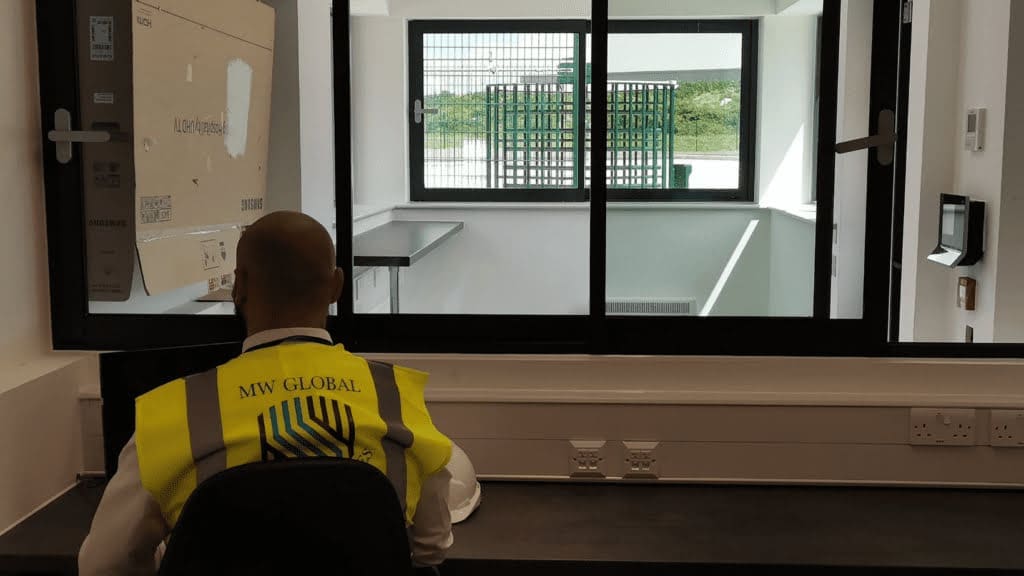
SIA-licensed personnel for defined access, reception, gatehouse, patrol, incident and protection duties.
Mobile Patrols
Scheduled physical attendance for agreed boundaries, doors, windows, locks, lighting and site-specific checkpoints.
Keyholding and Alarm Response
Secure key management and authorised attendance following suitable alarm activations or agreed incidents.
Commercial CCTV
Camera systems planned around required views, lighting, recording, evidence and remote-access needs.
Ajax Alarm Systems
Adaptable wireless detection for suitable offices, businesses, homes, temporary projects and vacant property.
Site Security Audits
A scoped review of access, boundaries, keys, lighting, guarding, CCTV, alarms and response arrangements.
Access Control in a City of Shared and Busy Sites
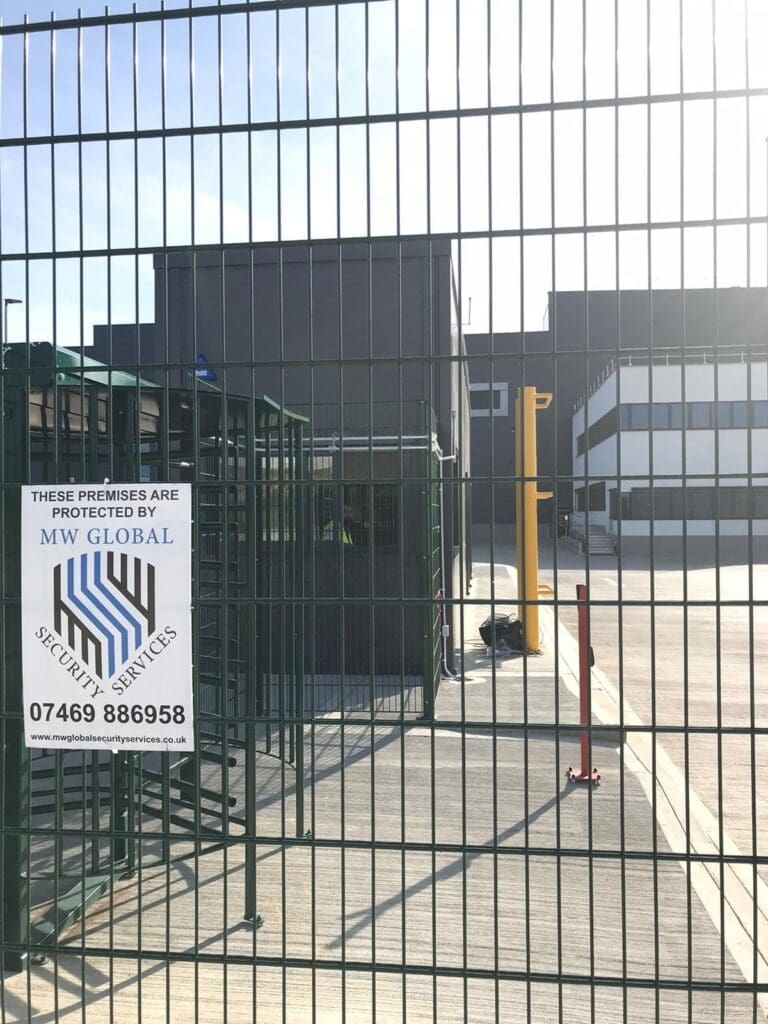
Many Cambridge premises have a high volume of legitimate movement. The challenge is often not keeping everyone out; it is distinguishing authorised activity from exceptions without unnecessarily disrupting the site.
- Staff and regular contractors: agreed identification, passes, permitted hours and restricted areas.
- Visitors: arrival, host confirmation, sign-in, temporary access and departure procedures.
- Deliveries: booking, vehicle access, loading locations, documentation and unexpected arrivals.
- Shared entrances: authority where several tenants, departments or contractors use the same access point.
- Out-of-hours access: who may enter, how approval is confirmed and what must be reported.
- Exceptions: the contact and escalation route when normal access rules cannot be followed.
A security officer should work from written instructions. Technology can support the process, but the required authority and escalation decisions must still be clear.
From Daytime Access to Overnight Response
A useful security plan connects each stage rather than treating daytime guarding, closing procedures and alarm response as unrelated services.
Daytime Operations
The focus may be visitors, contractors, deliveries, restricted areas, staff support and routine patrols.
Closing and Handover
Keys, final checks, locking, alarm setting and responsibility transfer should be documented.
Overnight Protection
Patrols, alarms, CCTV and escalation become more important when staff presence is reduced.
Following an Incident
The plan should define who receives the alert, who attends, what authority they have and how the outcome is reported.
Mobile Patrols and Response for Suitable Cambridge Property
A permanent security post is not necessary for every location. Mobile patrols may support offices, commercial units, schools, compounds, vacant buildings and other suitable premises during agreed periods.
The scope should identify what is physically checked. This may include entrances, doors, windows, gates, fencing, external areas, lighting, alarm status and project-specific checkpoints.
Patrol technology can record time, location, checkpoints, observations and photographs. It supports accountability but does not guarantee that every incident will be detected or prevented.
Where keyholding or alarm response is included, access authority, contacts, expected actions and escalation should be agreed before an activation occurs.
Construction and Temporary Security in Cambridge
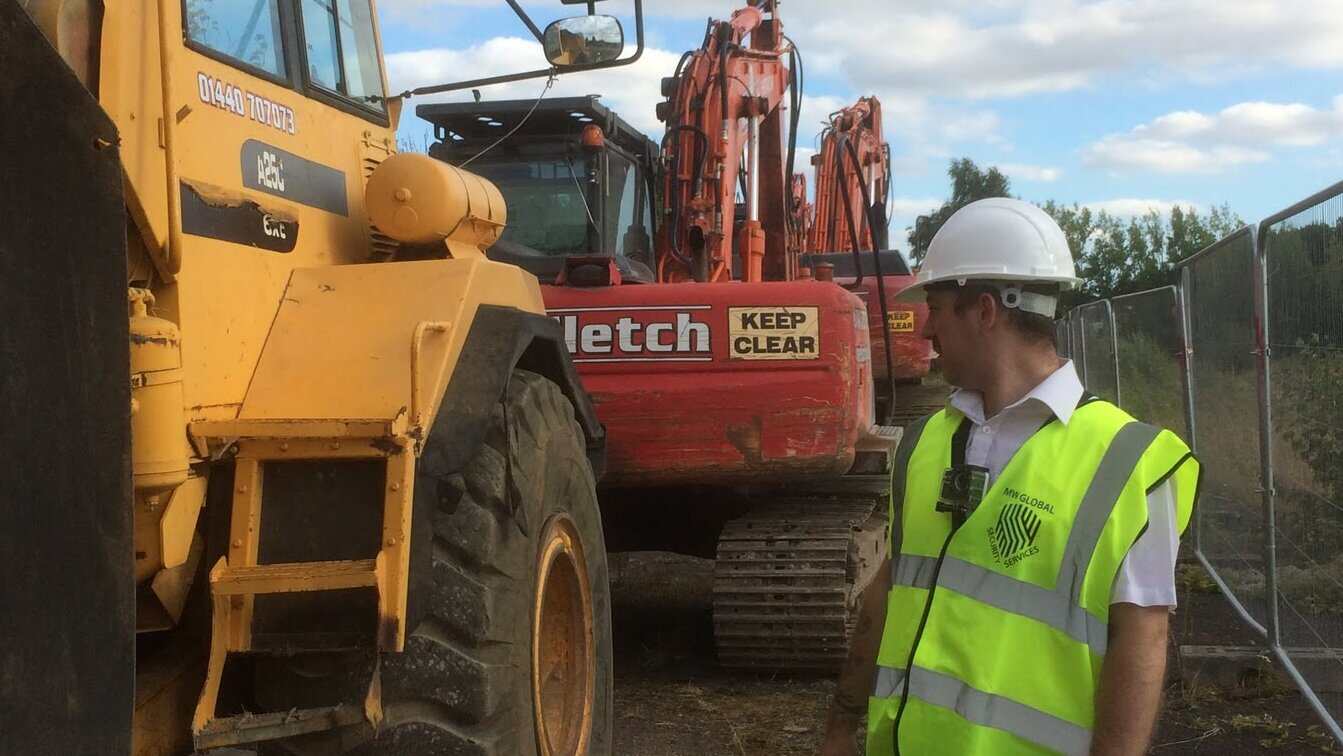
Construction and refurbishment work in Cambridge may take place beside occupied offices, homes, education buildings or public routes. That can make access, deliveries, boundaries and out-of-hours activity especially important.
Security arrangements may include guarding, contractor and vehicle control, mobile patrols, temporary alarms, CCTV, keyholding and site reviews. The requirement should be reconsidered as the project moves from early works to enclosure, fit-out, commissioning and handover.
Security officers can report obvious hazards encountered during their duties, but they do not replace the principal contractor’s health-and-safety management, fire-risk assessment or competent site supervision.
CCTV and Alarm Systems With a Defined Purpose
Electronic security performs best when each component has a clear job. A camera installed for general overview may not provide identification. An alarm that detects an intrusion is of limited value unless the alert reaches someone authorised to act.
- CCTV purpose: overview, identification, evidence, remote assessment or operational monitoring.
- Detection: likely access routes, internal areas, perimeter approaches and environmental false-alarm risks.
- Recording: image quality, retention, access, time accuracy and required evidence.
- Communications: broadband, mobile data, resilience and notification routes.
- Response: who receives an alert, who verifies it and who attends when physical action is required.
- Review: changes in use, layout, lighting, occupancy and surrounding activity.
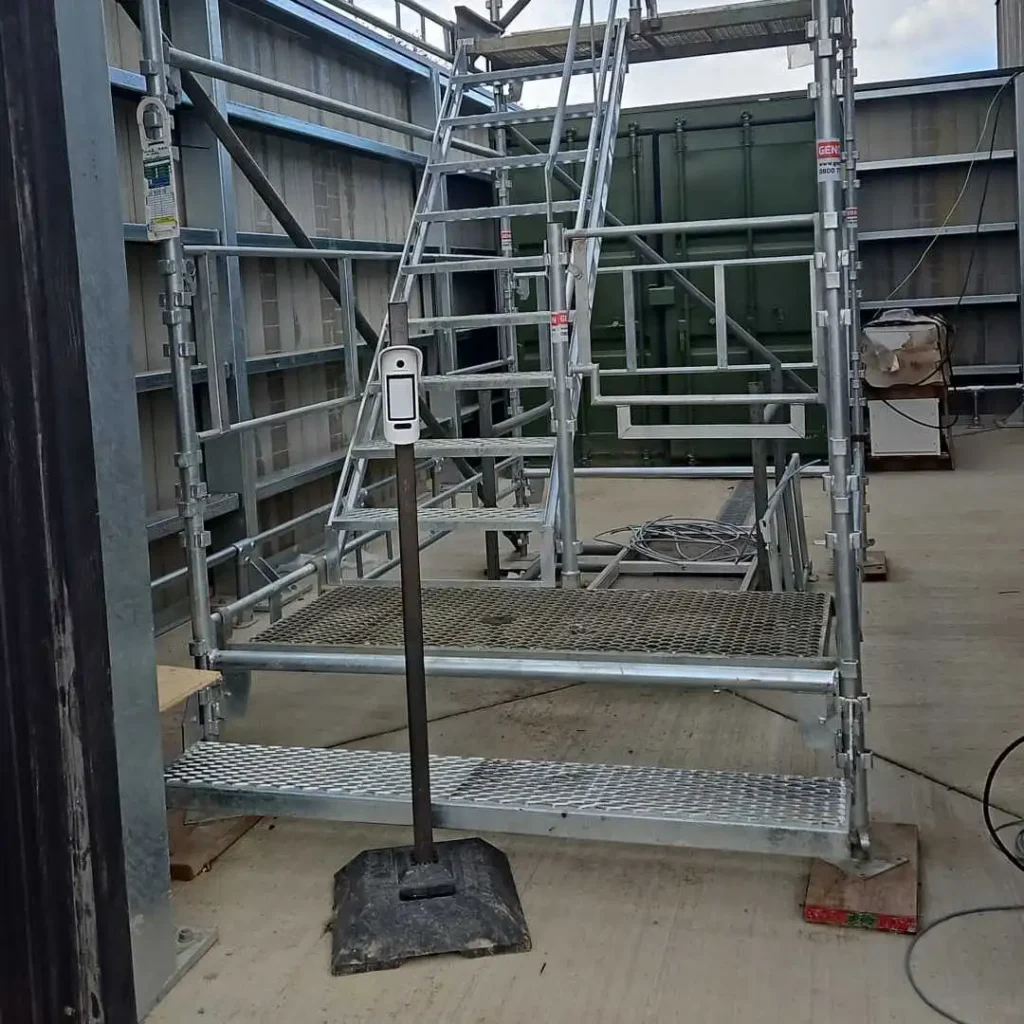
Turning the Requirement Into a Workable Plan
Responsible mobilisation depends on clear information and agreed responsibilities on both sides.
What We Need From You
The postcode, site type, operating hours, existing controls, recent concerns, required start date and the people authorised to make decisions.
What We Define
The service scope, duties, equipment, reporting, response, contacts, assumptions, exclusions and review points.
What We Check Before Starting
Access, welfare, communications, keys, power, lighting, safe working conditions and availability of suitable personnel or equipment.
What You Receive
A practical quotation and service plan based on the actual requirement rather than an unsupported promise or generic package.
Related Cambridge and Cambridgeshire Pages
Security Services Cambridgeshire
The wider county hub for organisations and sites outside Cambridge city.
Security Guarding Cambridge
Detailed guarding duties, reporting, mobilisation and suitable operating environments.
Construction Security Cambridge
Guarding, patrols, temporary alarms, CCTV and project-stage reviews.
Security Services Cambridge: Frequently Asked Questions
What security services do you provide in Cambridge?
Services can include security guarding, reception and access duties, mobile patrols, lock and unlock visits, keyholding, alarm response, commercial CCTV, Ajax alarms, temporary security and site security audits.
Can you provide SIA-licensed security guards in Cambridge?
Yes, subject to the required duties, appropriate licence, risk, hours, start date and availability of suitable personnel.
Do you provide mobile patrols and keyholding?
Yes. Patrols, lock and unlock visits, keyholding and alarm response can be considered for suitable Cambridge premises within the operational service area.
Can you secure Cambridge construction and refurbishment projects?
Yes. Options may include guarding, access control, patrols, temporary alarms, CCTV, keyholding and response. The arrangement should be reviewed as the project changes.
Do you install CCTV and intruder alarms?
Yes. Commercial CCTV and Ajax alarm systems can be designed for suitable businesses, homes and sites, based on the required detection, views, recording, communications and response.
Can you provide urgent security cover?
Urgent cover may be possible, but availability depends on the location, duties, risk, shift pattern, welfare, briefing and suitable personnel or equipment.
Can you review our existing security arrangements?
Yes. A site security audit can examine access, boundaries, guarding, keys, lighting, CCTV, alarms, procedures and response within an agreed scope.
Do you cover the wider Cambridgeshire area?
Yes. The exact availability depends on the postcode and service. See the Security Services Cambridgeshire and Areas We Cover pages for the wider service structure.
How much do security services in Cambridge cost?
Cost depends on the service, hours, duties, risk, duration, equipment, travel, site conditions and response requirement. A quotation is prepared after the necessary information is reviewed.
Which security service is appropriate for our site?
The right option depends on the site, operating pattern, existing controls, likely incidents and required response. An initial discussion or scoped site review can identify a proportionate arrangement.
Discuss Security Services in Cambridge
Provide the postcode, property or site type, required service, operating hours and preferred start date. We will review the requirement and explain the practical options.