

Lock-Up & Unlock Services for Commercial Premises
Professional opening and closing attendance, agreed security checks, alarm setting or unsetting, key management and clear completion reporting.
Scheduled opening and closing | Agreed checks | Alarm procedures | Exception reporting
Planned Attendance
An officer attends at an agreed time or within an agreed service window, subject to the operating plan.
Written Checklists
Doors, windows, gates, alarms, lighting and other agreed points can be recorded in clear assignment instructions.
Key and Alarm Procedures
Keys, access codes, alarm actions and authorised contacts are managed according to the agreed security procedure.
Completion and Exceptions
The visit can be recorded, with unusual conditions or incomplete actions escalated through the agreed contact route.
A Consistent Way to Open and Secure Your Premises
Opening and closing a workplace can become dependent on one manager, supervisor or trusted employee. That may work while staff, trading hours and responsibilities remain unchanged, but difficulties can arise when the usual person is absent, delayed, working remotely or no longer available.
MW Global Security Services can provide an agreed lock-up or unlock attendance for commercial premises. The service is planned around the site rather than relying on a generic routine. We establish which access points are included, what should be checked, how alarms and keys are handled, who is authorised to remain on site and what must happen when the normal procedure cannot be completed.
Lock-up and unlock can operate as a standalone service or form part of a wider business security plan involving patrols, keyholding, alarm response, security systems or on-site personnel.
The purpose is to create a repeatable security handover at the beginning or end of the operating day, with agreed actions and a clear record of completion.

What an Agreed Lock-Up Visit Can Include
The exact duties are set out in the site instructions. A typical closing procedure may include the following stages.
01
Arrival and External Observation
Observe the approach, entrance and agreed exterior areas for obvious signs of damage, forced entry, suspicious activity or an unsafe condition.
02
Confirm the Closing Status
Check whether authorised staff, contractors or visitors remain and follow the agreed process before beginning the final closure.
03
Check Designated Areas
Inspect only the agreed accessible areas and checkpoints, which may include selected doors, windows, gates, corridors, communal areas or yards.
04
Secure Agreed Access Points
Close and secure the listed entrances, internal doors, shutters, barriers, gates or other agreed controls where access and instructions permit.
05
Set the Alarm and Final Controls
Set the intruder alarm and deal with agreed lighting or equipment controls where these duties are documented and safe to complete.
06
Record and Report
Record completion and report anything that prevented the normal procedure, required escalation or may need the client’s attention.
Need a Reliable Opening or Closing Arrangement?
Speak directly with an experienced security professional for practical advice and a no-obligation quotation.
What an Unlock Visit Can Include
An unlock service prepares the agreed parts of a building or site for authorised staff. The procedure should be specific enough to avoid uncertainty while remaining practical for the way the premises operate.
- Observe the approach and agreed external areas before entry.
- Check for visible signs of attempted entry, damage or an unusual condition.
- Unlock the designated gates, doors, shutters or access points.
- Unset the alarm in accordance with the agreed procedure.
- Turn on agreed lighting or specified equipment where this forms part of the instructions.
- Confirm that the accessible areas appear suitable for the normal handover.
- Record completion and report anything requiring attention.
An unlock attendance is not an unrestricted building inspection. The officer follows the agreed route and does not certify that every area, system or item of equipment is free from faults.
Clear Boundaries Prevent Gaps and Misunderstandings
The service should state what is included, what is outside the agreed duty and who takes responsibility after handover.
Closing Check, Not a Full Survey
The officer checks the agreed security points and accessible route. The visit is not a technical, maintenance, fire-safety or building-condition survey.
No Unauthorised Repairs
Faulty locks, shutters, alarms, doors or equipment are reported and escalated. Repairs or alterations require an authorised and competent contractor.
Authorised Access Only
Access is provided only in accordance with the approved list, times and verification process. Unexpected requests require confirmation through the agreed route.
For unoccupied buildings that require scheduled internal and external condition checks, photographs and ongoing inspection records, see our vacant property security service. That is a separate requirement from opening or closing an operational workplace.
Premises That May Benefit from Lock-Up and Unlock
The service is most useful where responsibility for opening or closing needs to be consistent, documented and independent of one member of staff.
Offices and Business Parks
Opening reception or shared access points, checking communal areas, securing entrances and setting alarms after staff leave.
Warehouses and Industrial Units
Checking agreed gates, loading areas, personnel doors and alarms at the beginning or end of the operating period.
Retail and Customer-Facing Premises
Supporting a clear final closing procedure after customers and staff have departed, subject to the site-specific instructions.
Schools and Community Buildings
Opening or securing agreed entrances and communal areas around normal use, lettings or scheduled activities.
Construction Compounds and Project Sites
Securing agreed welfare units, stores, pedestrian gates, vehicle access and alarm systems as the project routine changes.
Managed and Multi-Tenant Property
Applying a defined opening or closing responsibility where several occupiers, contractors or shared facilities are involved.

How the Service Is Planned
- Site review: identify the access points, alarm arrangements, timing, occupancy pattern and any known limitations.
- Assignment instructions: document the route, checks, actions, authorised people, escalation contacts and reporting requirement.
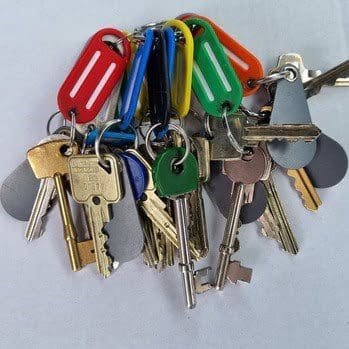
- Key and code arrangements: agree how keys, fobs, access cards and alarm credentials will be controlled and updated.
- Access and safety information: record hazards, restricted areas, lone-working considerations and actions that must not be attempted.
- Service commencement: begin on the agreed schedule and record any practical issue found during the first visits.
- Review after change: update instructions when the building layout, staff, alarm, locks, operating hours or responsibilities change.
A good opening or closing service depends on accurate instructions. Changes should not be left to informal messages where they affect access, alarm setting, authorised personnel or safety.
Reporting When the Normal Procedure Cannot Be Completed
A lock-up or unlock visit should not become a box-ticking exercise. The officer may encounter circumstances that prevent the agreed procedure or require the client’s decision.
- Staff or contractors remain on site beyond the agreed closing point.
- A listed door, window, shutter, gate or lock cannot be secured.
- The alarm will not set, reports a fault or indicates an unexpected open zone.
- Keys, fobs, codes or access equipment do not operate as expected.
- There are signs of damage, forced entry, suspicious activity or an unsafe condition.
- An unauthorised person requests entry or asks the officer to depart from the instructions.
The agreed escalation plan should state who may authorise a change, when emergency services or another contractor should be contacted and what the officer should do while awaiting instructions. Actions remain subject to safety, access, available information and the limits of the agreed service.
Related Business Security Services
Lock-up and unlock can be combined with other services where a site needs protection outside the opening and closing procedure.
Business Security Services
A broader overview of guarding, patrols, CCTV, alarms, response and layered commercial protection.
Mobile Patrols
Scheduled or random physical attendance between operating periods, with checks at agreed site points.
Keyholding and Alarm Response
Secure key custody and authorised attendance after suitable alarm activations or agreed incidents.
Vacant Property Security
Scheduled internal and external inspections, security checks and reporting for unoccupied premises.
Security Alarm Systems
Commercial alarm planning, installation and support where reliable setting, detection and notification are required.
Site Security Audits
A structured review of access, keys, locks, alarms, lighting, procedures, responsibilities and response arrangements.

Operational Coverage
Our core operational area includes Suffolk, Cambridgeshire, Norfolk, Peterborough, parts of Leicestershire, Northamptonshire, Rutland, Lincolnshire and Bedfordshire, together with selected Milton Keynes postcodes.
Suitability depends on the location, required opening or closing time, frequency, access arrangements and whether the attendance can be incorporated into a practical route. The proposed procedure and service availability are confirmed before commencement.
Businesses with several premises may also require a consistent framework across sites while retaining separate keys, contacts, timings and instructions for each location.
Lock-Up and Unlock Service FAQs
Can the service include both lock-up and unlock visits?
Yes. A premises may require opening, closing or both. The schedules, checks and handover responsibilities are agreed separately so that each attendance has a clear purpose.
Can the officer set and unset our alarm?
Alarm setting or unsetting can form part of the instructions where the system, access credentials and procedure are suitable. Faults, open zones or unsuccessful setting attempts are handled through the agreed escalation route.
Do you need to hold a set of keys?
The arrangement depends on the service. Keys, fobs or access cards may be securely managed as part of an agreed keyholding procedure, or another authorised access arrangement may be used. The method is confirmed before work starts.
What happens when staff are still inside at closing time?
The officer follows the written instructions. This may involve confirming that the remaining people are authorised, contacting the nominated manager, delaying specific actions or recording that the normal closure could not be completed.
Is lock-up the same as a vacant property inspection?
No. Lock-up and unlock relates to opening or closing an operational premises and checking the agreed security points. Vacant property inspections are scheduled visits to an unoccupied building and may include broader internal, external and condition reporting.
Can the service be combined with mobile patrols?
Yes. Lock-up can secure the premises at the end of the operating period, while later patrols can check agreed external or internal points. The services should have separate instructions so their roles remain clear.
Can you attend at weekends, bank holidays or changing times?
Alternative schedules may be possible subject to location, availability, notice and the agreed commercial terms. Regular variations should be documented rather than relying on informal last-minute changes.
Can the officer switch lights or equipment on and off?
Specified controls can be included where they are clearly identified, safe to operate and within the agreed service. The officer does not undertake technical testing, repairs or unrestricted equipment operation.
Arrange a Lock-Up or Unlock Service
Tell us the premises location, required times, access arrangements and the duties you need completed. We will review the requirement and explain the practical next step.
Speak directly with an experienced security professional for practical advice and a no-obligation quotation.