

Temporary Security Solutions Across East Anglia
Rapid-deployment alarms, CCTV, patrols and security guarding for construction sites, vacant property, temporary facilities and changing risks.
Wireless detection | Temporary CCTV | SIA-licensed officers | Flexible short-term cover
Fast Deployment
Suitable systems can often be installed without the delay of a full permanent project.
Flexible Coverage
Equipment and patrol plans can change as the site, project or risk develops.
Layered Protection
Alarms, CCTV, patrols and guards can work together where one measure is not enough.
Clear Reporting
Events, visits and incidents can be recorded for management review.
Temporary Security Built Around the Actual Risk
Temporary security should not mean a generic package. A vacant office, live construction site and public event all have different access points, working hours and threats.
We review the property, project or event before recommending equipment or guarding. The plan may use a single wireless alarm, a group of external detectors, temporary CCTV, mobile patrols, keyholding or officers on site.
The aim is to provide useful protection for the period required, without forcing a permanent installation where one is not suitable.
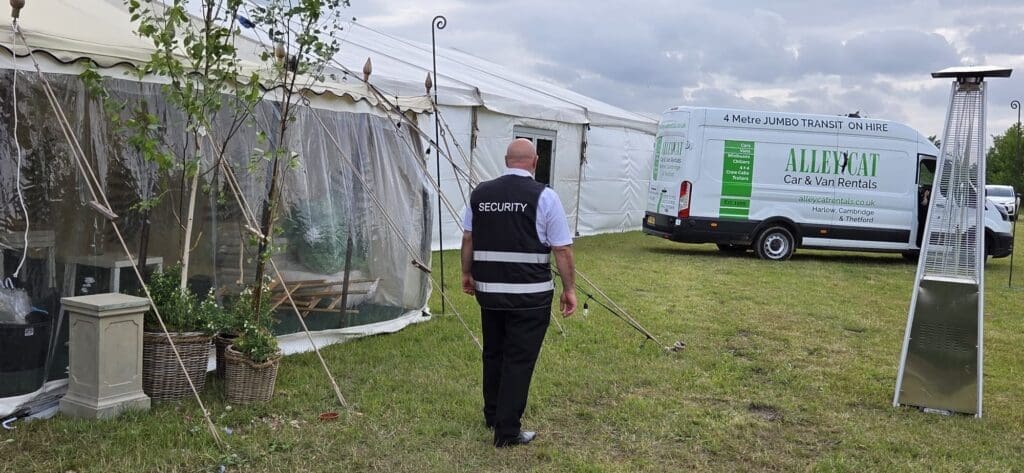
Temporary Security Options
Choose one measure or combine several. The correct mix depends on the risk, duration and available infrastructure.
Temporary Wireless Alarm Systems
Internal and external detectors can protect entrances, rooms, compounds and vulnerable boundaries. The design depends on the site layout, signal conditions and expected activity.
Photo-Verification Detectors
Motion detectors with image verification can help confirm activity after an alarm. They can provide useful evidence without needing a full CCTV installation in every area.
Temporary CCTV Systems
Cameras, recorders and remote viewing can support live sites, empty property and temporary compounds. Power, lighting, data coverage and privacy must be considered.
Temporary Security Guards
SIA-licensed officers can provide a visible presence, control access, patrol the site and respond to incidents where technology alone is not enough.
Mobile Security Patrols
Scheduled or random patrols can check gates, buildings, plant, materials and external areas during agreed periods.
Keyholding & Alarm Response
A response officer can attend agreed alarm activations, assess the site and follow the approved escalation plan.
Temporary Alarm Systems and Perimeter Detection
Wireless alarms can provide useful coverage where a fixed installation is not practical. They may protect cabins, empty rooms, access routes, outbuildings and external approaches.
External detection needs careful planning. Moving vegetation, animals, public areas, site traffic and changing work zones can all affect performance. Detector positions should be reviewed as the environment changes.
Depending on the selected system, alerts may be sent to approved users or a monitoring arrangement. Photo verification can help the responder judge whether the activity appears genuine before taking further action.
- Internal and external movement detection.
- Door and opening protection where suitable.
- Image verification on supported devices.
- Sirens, alerts and agreed escalation.
- Battery, cellular or internet operation depending on the system.
- Relocation when the site layout changes.
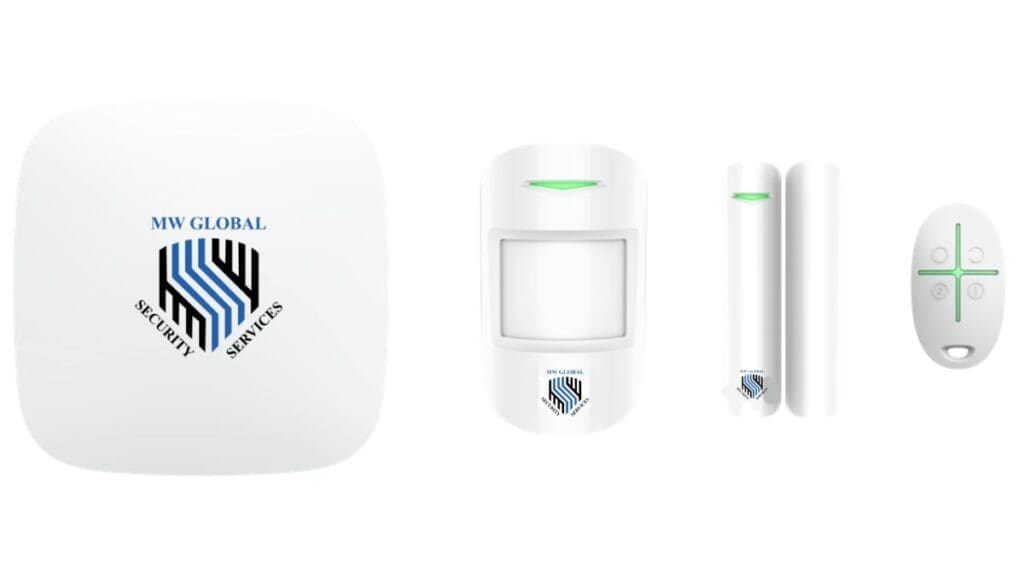

Temporary CCTV and Remote Site Monitoring
Temporary CCTV can provide recorded evidence, remote viewing and visible deterrence. It may be used around entrances, compounds, plant, parking areas and other agreed locations.
A useful design considers camera position, night lighting, power, communications, recording time and the areas that must not be filmed. A camera placed quickly in the wrong position may produce little useful evidence.
Temporary cameras can also work with alarms and patrols. An alert or live image may help decide whether a mobile officer, site manager or emergency service should be contacted.
Where Temporary Security Can Help
Temporary systems are most useful where the risk exists now but the site, building or operating arrangement may change.
Construction & Demolition
Protect compounds, cabins, tools, plant, fuel, materials and changing perimeter areas.
Vacant Property
Monitor empty homes, offices, workshops and commercial buildings where faults or entry may go unnoticed.
Temporary Facilities
Support welfare units, compounds, storage areas, pop-up operations and short-term work locations.
Events, Film & TV
Protect equipment, temporary structures, access routes and production areas during setup, operation and removal.
Industrial Shutdowns
Add cover while normal access, staffing or production arrangements are temporarily changed.
Damaged or Exposed Premises
Provide interim protection after a break-in, fire, flood, failed alarm or damaged door until repairs are complete.
A Layered Temporary Security Plan
No single device prevents every incident. Good temporary security links deterrence, detection, verification and response.
1. Deter
Visible cameras, signs, lighting, patrols and officers can discourage casual access.
2. Detect
Sensors and cameras identify movement, entry or unusual activity.
3. Verify
Images, video or an external patrol can help establish what is happening.
4. Respond
Named contacts, guards or emergency services are contacted under the agreed plan.
5. Recover
The site is re-secured, faults are reported and the plan is adjusted where needed.
How the Service Works
A clear setup process reduces blind spots and avoids installing equipment that does not suit the site.
1. Discuss the Requirement
We confirm the location, planned duration, site use, assets and immediate concerns.
2. Survey the Site
We review boundaries, access points, power, communications, lighting and working areas.
3. Design the Solution
The proposal explains the equipment, patrols, guarding, monitoring and response arrangement.
4. Deploy and Test
Equipment is installed, communications are checked and approved users receive the required information.
5. Review the Site
The plan is adjusted when the project, layout, opening hours or risk changes.
6. Remove or Relocate
Temporary equipment can be removed or moved when the protected area changes, subject to a new check.
Need Protection While the Site or Risk Is Changing?
Send the postcode, site type, required start date and main concerns. We will explain the most practical options.
When Technology Is Not Enough
An alarm or camera can detect activity, but it cannot manage every person, delivery, contractor or emergency. Some sites need a trained officer to control access, challenge unauthorised visitors or remain present after damage.
Mobile patrols may suit sites that need regular checks but not a full-time guard. Keyholding and alarm response may suit premises where the main requirement is attendance after an activation.
We will say when a technology-only option is unlikely to manage the risk. A lower-cost system is not good value if it cannot support the duties the site actually needs.
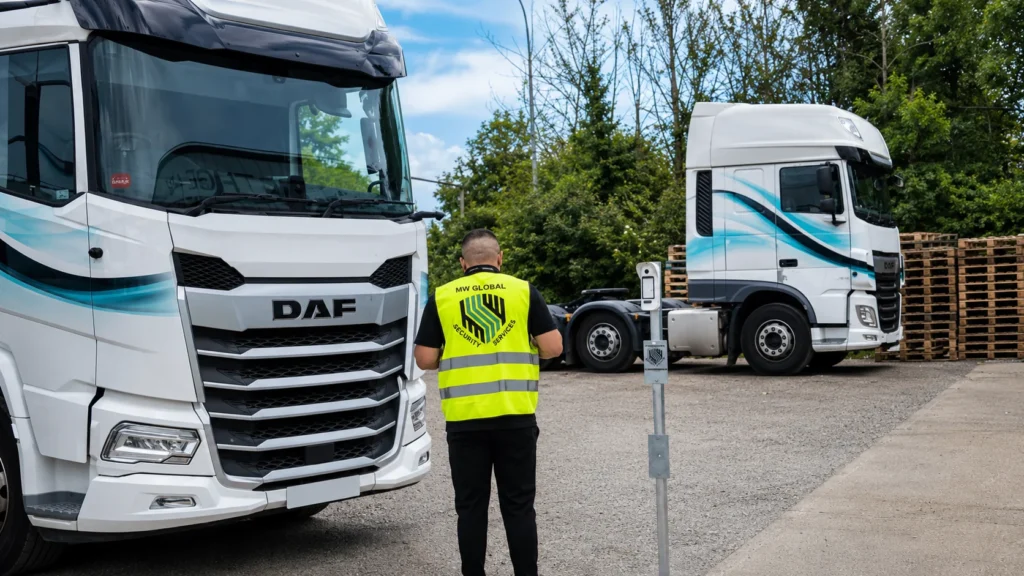
Monitoring, Reporting and Responsible Use
Temporary equipment still needs clear control. The client remains responsible for how cameras and recorded information are used, while we can help plan the practical security setup.
Alarm Event Records
System events can show the date, time, device and action taken where supported.
Patrol Reports
Mobile officers can record attendance, observations, photographs and incidents.
CCTV Evidence
Recorded footage may support investigation when the system and retention plan are suitable.
Named Escalation Contacts
The plan states who should be contacted and in what order.
Privacy and Signage
Camera use, access to footage, retention and signage must be considered before deployment.
Regular Review
Repeated alarms, blind spots and changing work areas should lead to an updated plan.
What Affects the Cost?
Temporary security is quoted against the real site and duration. The quotation should explain equipment, installation, monitoring, patrols and response charges.
Site Size and Layout
Large or divided sites need more devices, cameras, checkpoints or patrol time.
Type of Protection
A basic alarm differs from a combined CCTV, patrol and guarding package.
Power and Communications
Battery life, charging, internet access, mobile coverage and lighting affect the design.
Monitoring and Response
User alerts, monitoring, keyholding and officer call-outs may be priced separately.
Planned Duration
The expected period and any extension or relocation affect the quotation.
Installation and Changes
Extra visits may be needed when the site layout, boundary or working area changes.
Why Choose MW Global Security Services?
- One provider for alarms, CCTV, patrols and guarding where a combined plan is needed.
- Site-specific recommendations rather than a standard package for every location.
- Real operational experience across construction, commercial, industrial and vacant sites.
- Flexible review when the site layout, project phase or risk changes.
- Clear communication about what the system can and cannot reasonably achieve.
- Local coverage across East Anglia and selected nearby areas.
- Over 20 years’ security experience across permanent and temporary assignments.

Temporary Security Coverage
Availability depends on the site, start date, required equipment, patrol route and length of the assignment.
Suffolk
Including Stowmarket, Ipswich, Bury St Edmunds, Newmarket, Woodbridge, Felixstowe and suitable nearby areas.
Cambridgeshire & Peterborough
Including Cambridge, Ely, Huntingdon, Peterborough and selected surrounding locations.
Norfolk
Including Norwich, Great Yarmouth, King’s Lynn and suitable nearby commercial sites.
Wider Regional Coverage
Selected work is available in Bedfordshire, Lincolnshire, Leicestershire, Northamptonshire, Rutland and Milton Keynes.
Temporary Security Questions
How quickly can temporary security be installed?
The timescale depends on the site survey, equipment, power, communications and current availability. Urgent requests can be considered, but the system still needs to be suitable and tested.
Do temporary alarm systems need mains power?
Some alarm devices can operate on batteries. Cameras, lighting, routers and recorders may need mains, solar or larger battery support. The site survey confirms what is practical.
Can a temporary alarm be monitored?
Yes, depending on the selected equipment and service. Alerts may go to approved users, a monitoring arrangement or an agreed responder.
Is temporary CCTV better than an alarm?
Not always. CCTV can provide images and recorded evidence. Alarms may detect entry with less equipment. Many sites benefit from both detection and verification.
Can equipment move as a construction site changes?
Yes, where the system and new position remain suitable. A change in layout, fencing, power or working area should be reviewed before equipment is moved.
Can temporary security include guards and patrols?
Yes. Guards, patrols, keyholding and alarm response can support electronic systems where human attendance is needed.
Can the systems protect vacant property?
Yes. Empty houses, offices, workshops and commercial buildings can use temporary alarms, cameras, inspections or guarding depending on the condition and risk.
Do temporary cameras need signs and privacy controls?
Yes. Temporary use does not remove the need to consider purpose, camera views, access to footage, retention and appropriate signage.
Can you respond when an alarm activates?
Keyholding and alarm response may be available where the site, distance and service arrangement are suitable. The response plan must be agreed before cover starts.
How long can temporary security remain in place?
It can support a short emergency period or a longer project. The equipment and plan should be reviewed if the assignment continues or the site changes.
Plan Your Temporary Security Cover
Tell us what needs protecting, how long the risk may last and when the cover must begin. We will prepare a practical recommendation and quotation.
Temporary alarms · CCTV · guarding · patrols · response
Tell Us About Your Temporary Security Requirement
Provide the details currently available. We will review the site, required timescale and risks before recommending a suitable temporary security arrangement.
Useful information:
- Site address or postcode
- Property, project or event type
- What needs protecting
- Preferred start date and expected duration
- Power, internet or mobile coverage available
- Current alarms, CCTV, guards or patrols
- Known incidents, access concerns or vulnerable areas