

Wireless detection for changing sites and temporary risks
Temporary Alarm Systems
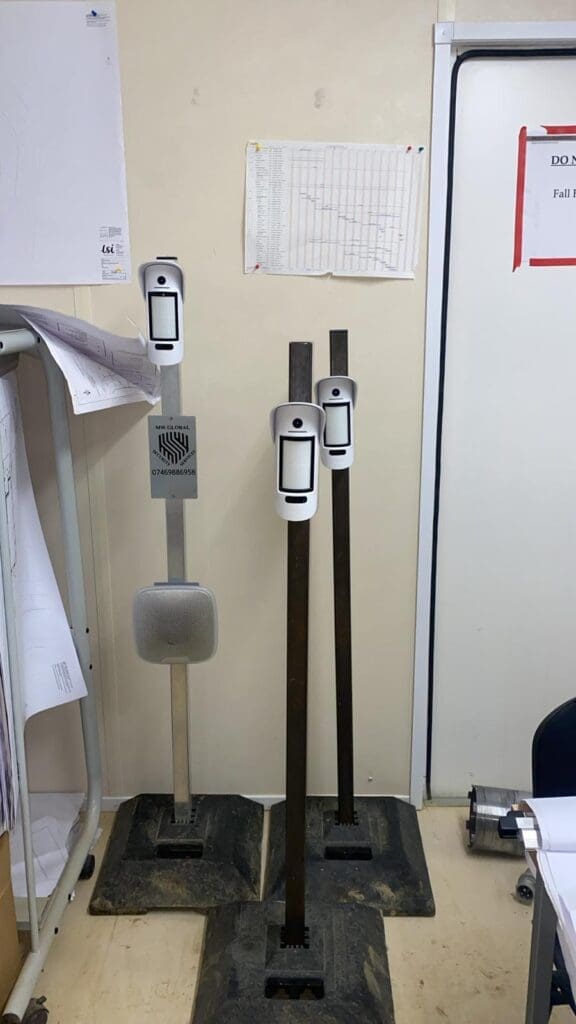
Planned temporary wireless alarm installations for construction sites, vacant premises, fit-outs, film locations, events and other short-term security requirements.
System design, communications, notifications and any response arrangement are agreed around the site, risks, duration and available infrastructure.
A specialist child of temporary security
Temporary Detection Without Treating the Site as Permanent
A temporary alarm system is useful where the risk exists now but the premises, project or layout may change before a permanent installation would be sensible. Wireless devices can reduce disruption, allow staged deployment and make it easier to adapt detection as rooms, compounds, access points or occupied areas change.
This page is specifically about temporary alarm detection. For a wider combination of guarding, patrols, CCTV, alarms and other short-term measures, use our temporary security solutions hub.
A temporary alarm assessment should establish:
- what must be detected and during which hours;
- how the layout is expected to change;
- what power and communications are available;
- who receives alerts and what happens next;
- how devices will be protected, moved, tested and removed.
Choose the alert and response model deliberately
Three Temporary Alarm Arrangements to Consider
The most appropriate arrangement depends on occupancy, risk, communications and the person or service expected to act when an alarm is generated.
Local detection
Sirens and local warning may suit an occupied or supervised site where authorised people are already present and able to act.
Planning focus: audibility, arming responsibility, false-alarm management and out-of-hours exposure.
Remote notification
Authorised users can receive app or platform notifications where compatible communications and system configuration are available.
Planning focus: signal paths, user availability, verification, escalation and what happens when a key person cannot respond.
Managed escalation
Where the risk justifies it, temporary detection can be considered alongside monitoring, keyholding, alarm response or guarding.
Plan for movement before it becomes a problem
A Temporary System Should Follow the Project Lifecycle
The protection must remain relevant as the site changes. That requires more than installing detectors once and leaving them in the original positions.
Initial exposure
Identify entrances, vulnerable rooms, compounds, stored assets, welfare areas and the times when the site is least supervised.
First deployment
Position devices around the agreed detection zones, communications route and authorised-user or escalation arrangement.
Change control
Review the design when hoarding moves, rooms are handed over, power changes, access routes alter or valuable items relocate.
Removal or transition
Remove the temporary system safely or transition the site to an appropriate permanent alarm, CCTV or managed security arrangement.
Detection is built in layers
Protect Approaches, Internal Areas and Operational Risks
Not every site needs every device type. A proportionate design starts with the likely routes of approach, the assets or spaces that matter most, the environmental conditions and the level of verification required before somebody acts.
Wireless temporary systems may combine suitable internal and external detection, audible warning, image-assisted verification and other compatible safety or environmental devices where the assessment supports them.

Approach and perimeter
Consider access gates, vulnerable elevations, temporary doors, compounds and routes that allow an intruder to reach high-value areas.
Internal protection
Prioritise offices, cabins, tool stores, plant controls, completed rooms, stock areas and other spaces where entry would create loss or delay.
Verification and escalation
Decide what information authorised users need, how alarms are checked and what response is proportionate to the site and time of day.
Temporary requirements differ by environment
Where Temporary Alarm Systems Can Add Useful Detection
Construction and fit-out
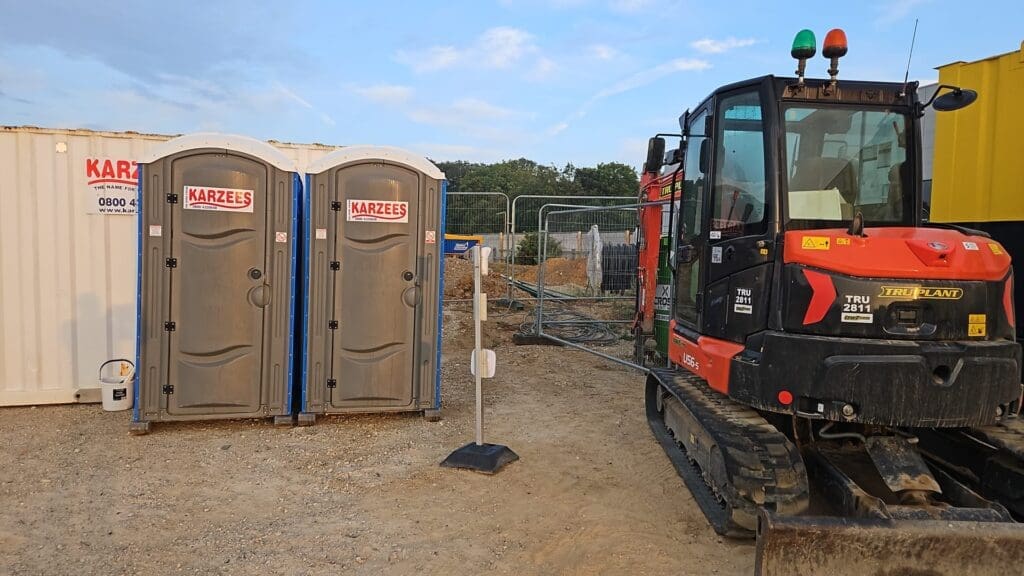
Detection can protect cabins, welfare areas, tool stores, completed units and temporary access points while the project develops. The alarm layout should be reviewed when work stages or site boundaries change.

Vacant or temporarily unoccupied property
Wireless detection may support buildings awaiting sale, refurbishment, reoccupation or repair. The assessment should consider entry routes, utilities, authorised access and who is responsible for alarm escalation.

Film, events and short-term occupation
Temporary detection can support equipment stores, production compounds, restricted rooms and locations that operate for a defined period. Public access and changing schedules must be considered carefully.
Technical details affect the operational result
Questions to Resolve Before the System Is Deployed
Use the right page for the right temporary-security need
Related Protection Options
Temporary alarm system FAQs
Common Questions Before Installation
Can a temporary alarm be moved when the site changes?
Wireless equipment can often be repositioned or reconfigured, but each move should be planned. New positions, communications, detection coverage, tamper protection and recommissioning must be checked rather than assumed.
Does a temporary system need mains power or internet?
That depends on the equipment and communications design. The assessment should identify available power, battery requirements and suitable signal paths before the deployment is agreed.
Can temporary alarms cover outdoor areas?
Suitable outdoor detection may be considered where the environment, mounting positions, animals, vegetation, public movement and weather exposure allow a workable design. External detection is not suitable for every location.
Who receives an alarm notification?
The agreed arrangement may involve authorised site users, managers, a monitoring service or another defined escalation route. Responsibilities and contact details should be documented before the system is commissioned.
Can alarm response or keyholding be added?
It may be possible to combine detection with keyholding or alarm response where the location, risk, access arrangements and service availability support it. Any licensable activity would be carried out by appropriately licensed personnel.
What happens when the project ends?
The system should be removed, reconfigured for another phase or replaced by a suitable permanent arrangement. Removal dates, equipment condition and any transition requirements should be agreed in advance.
Start with the site and the required outcome
Discuss a Temporary Alarm System
Tell us what needs protecting, the site address, project dates, available power and communications, expected changes and what should happen after an alarm. We will use that information to scope a proportionate temporary arrangement.
Service availability is subject to location, risk, communications, site access and the type of protection required.
Temporary alarm enquiry
Request a Temporary Alarm Assessment
Provide the site, project dates, exposure and detection requirements you already know. Estimates are acceptable and we can clarify the technical detail during the first discussion.