
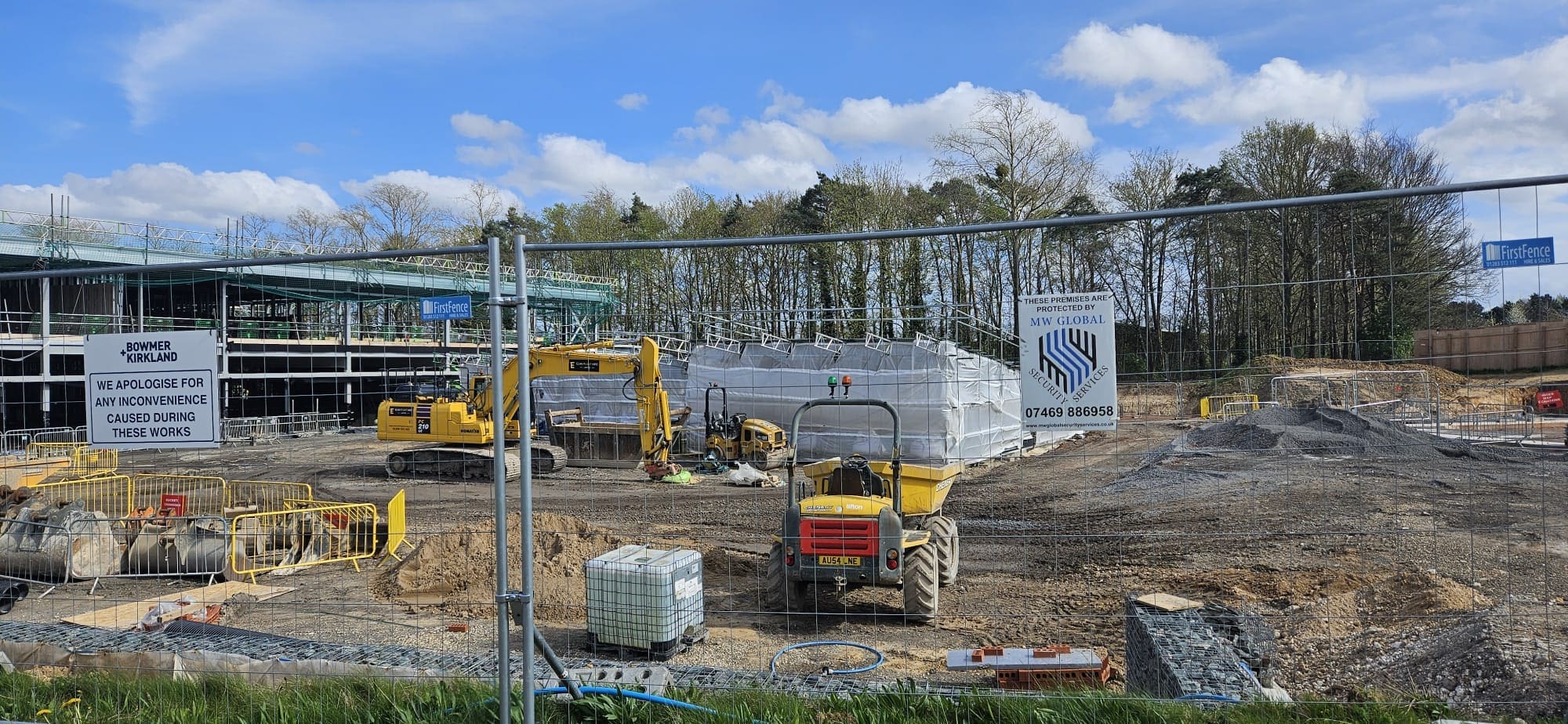
Construction Site Security Ipswich
Site-specific guarding, access control, patrols and temporary security measures for construction projects across Ipswich and the surrounding area.
A Construction Security Plan Built Around the Project
Construction risks change as the project moves from mobilisation through active works, shutdown periods and handover. The security plan should follow the actual site layout, working hours, delivery pattern, contractor access and assets present—not a standard package.
We assess the requirement for staffed guarding, controlled access, out-of-hours patrols, temporary detection and escalation. Broader local services are available through our Ipswich Security Services page.
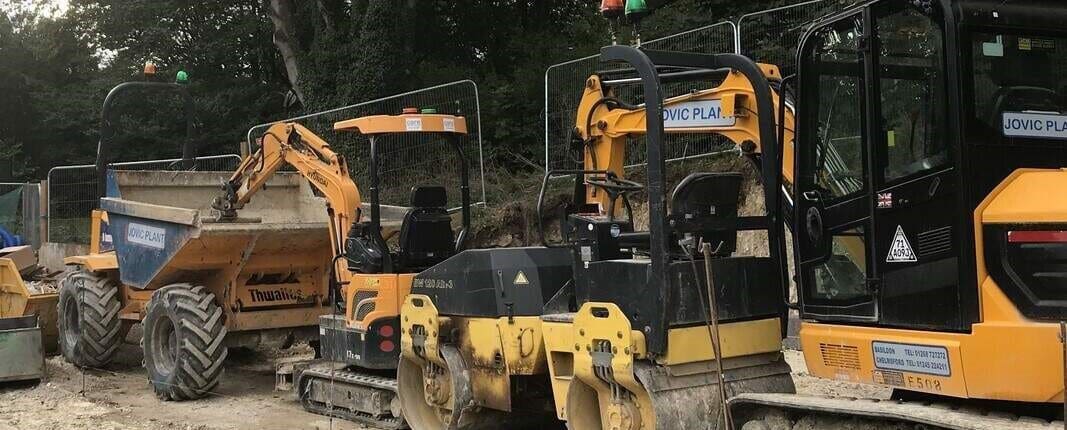
Security Requirements Change With the Site Stage
1. Mobilisation
Temporary boundaries, cabins, early deliveries and changing access points can create uncertainty before normal site routines are established.
2. Active Construction
Vehicle movements, subcontractors, tools, fuel and plant require clear access procedures, patrol priorities and incident escalation. Where diesel or other site fuel remains overnight, see our fuel theft from construction sites guidance.
3. Shutdown or Handover
Reduced staffing, completed areas and valuable installed equipment may need revised patrols, keys, alarms or temporary guarding.
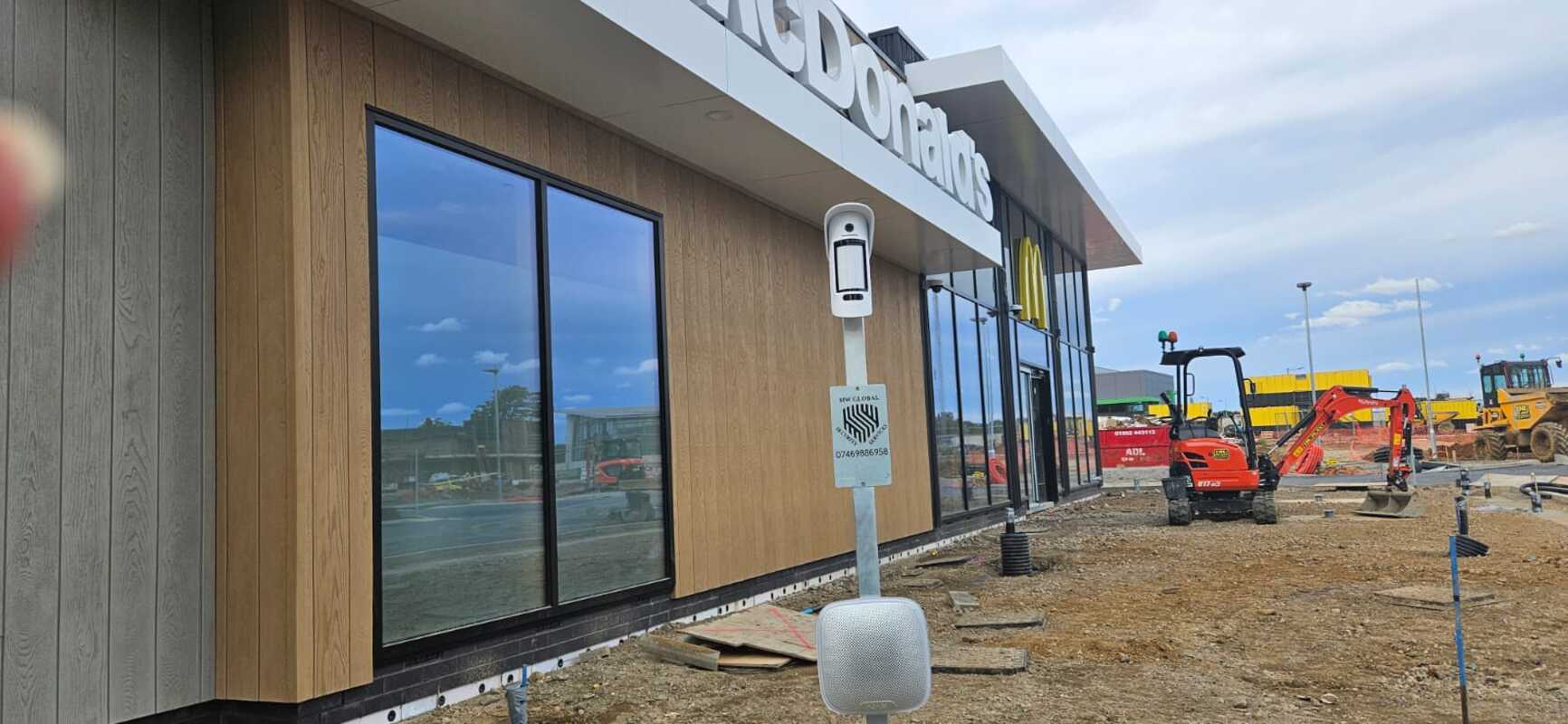
Guarding, Patrols and Temporary Systems
The most effective arrangement may combine several layers rather than relying on one measure.
- Security guards: gate control, delivery records, patrols, key control and immediate reporting.
- Mobile patrols: scheduled or irregular checks when continuous staffing is not justified.
- Temporary alarms or CCTV: detection around cabins, compounds, boundaries or stored materials.
- Alarm response and keyholding: an agreed response process outside normal working hours.
What the Site Security Assessment Should Cover
| Area | Questions to resolve | Possible control |
|---|---|---|
| Boundary and access | Where can people or vehicles enter, and how do openings change? | Gate control, barrier procedures, lighting, detection or targeted patrols. |
| Plant, tools and fuel | What remains overnight and which assets are easiest to remove? | Secure compounds, patrol priorities, temporary alarms or staffed cover. |
| Deliveries and contractors | Who authorises arrivals and how are unexpected vehicles handled? | Delivery lists, sign-in records and escalation to the site contact. |
| Cabins and completed areas | Which areas contain documents, equipment or installed assets? | Restricted access, keys, internal checks and alarm coverage. |
| Incident response | Who must be contacted and what evidence is required? | Written escalation, photographs, time-stamped reporting and police contact where appropriate. |
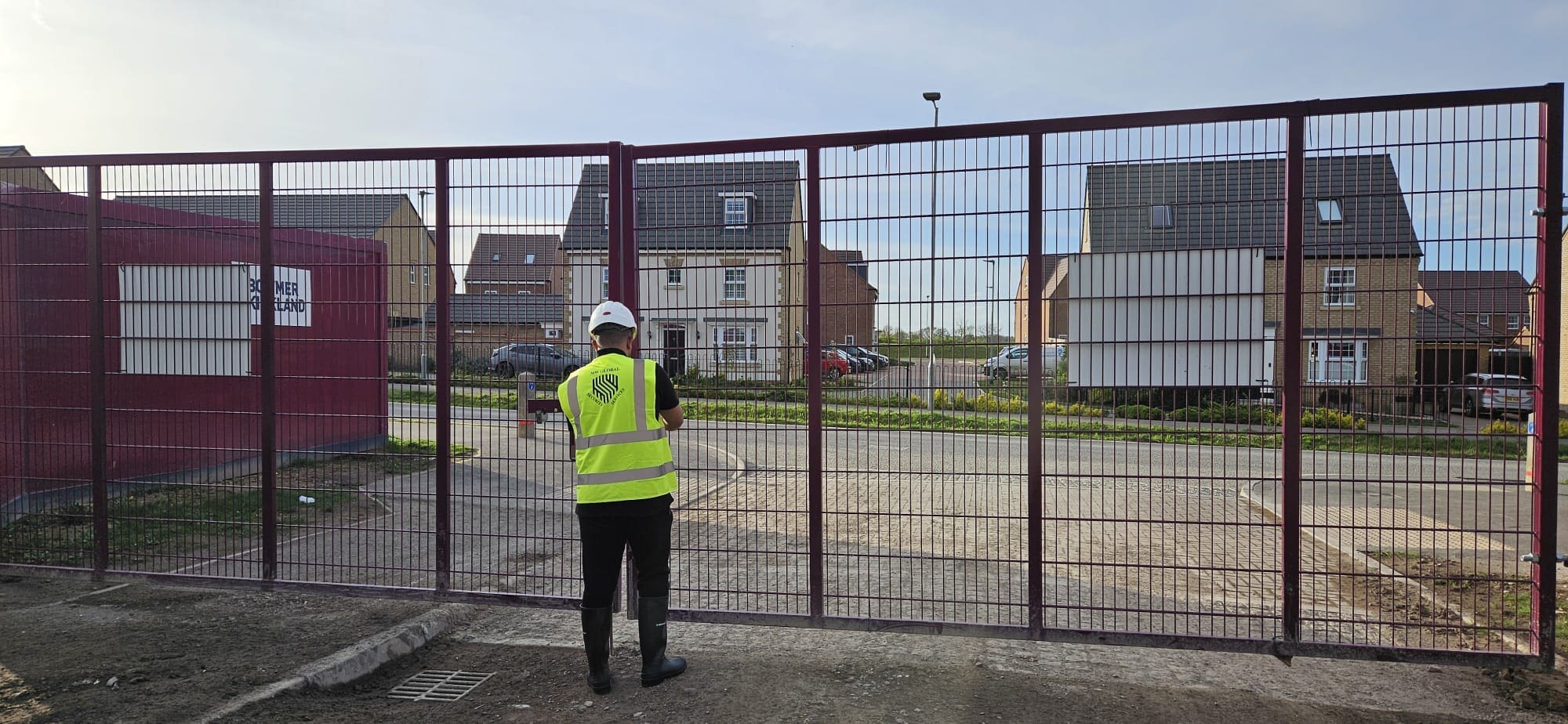
Gate and Delivery Control
A construction guard should understand the delivery process rather than simply stopping every vehicle. Assignment instructions need to identify expected suppliers, authorised contractors, induction requirements, restricted areas and the person who can approve an exception.
The aim is to support safe operations while preventing unauthorised access, tailgating and undocumented movements. Temporary changes should be written down and included in the shift handover.
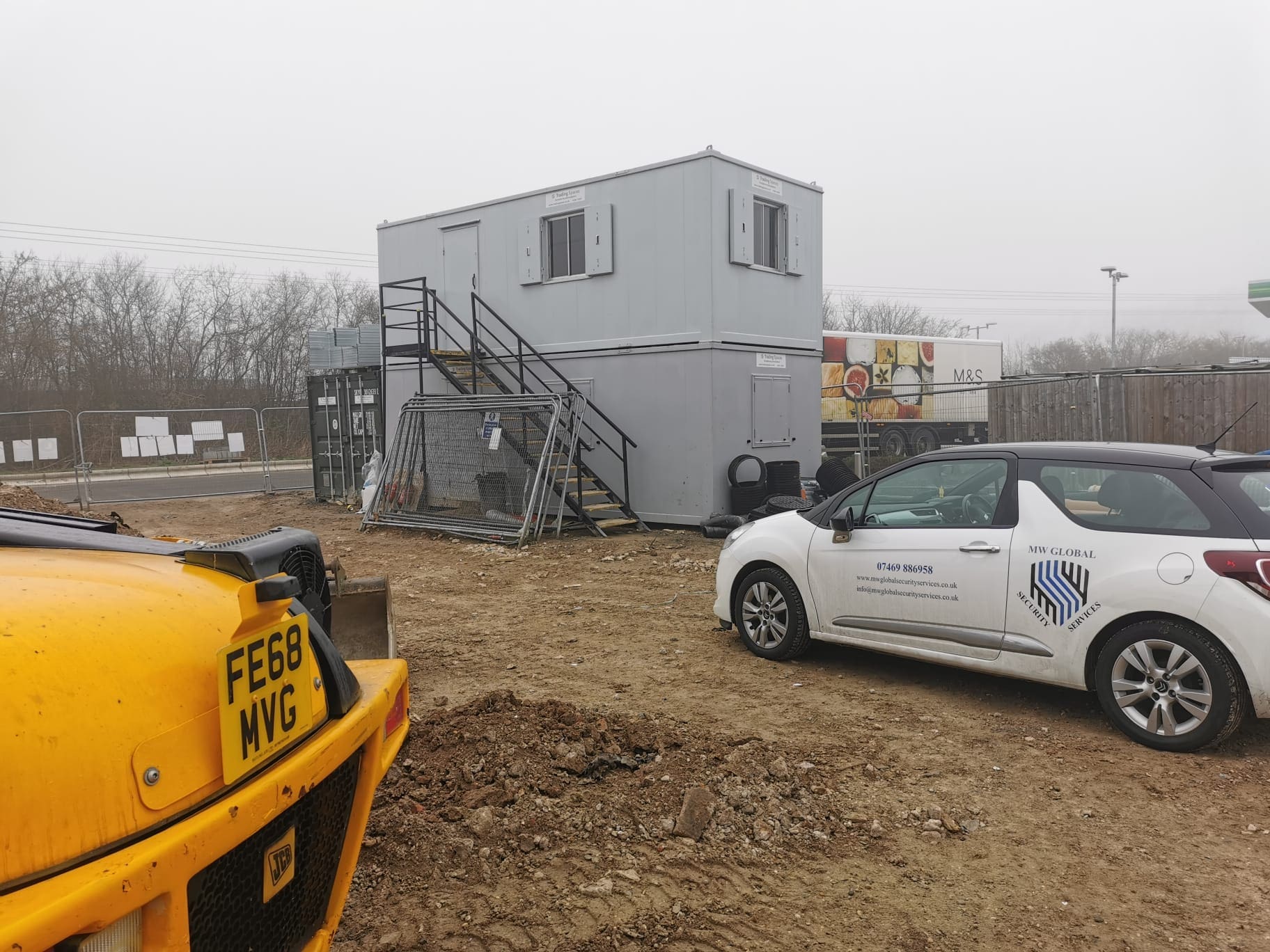
Patrol Evidence and Client Reporting
Patrol records should show what was checked, when it was checked and what action followed. Where configured, reports can include time, date, GPS, NFC or QR checkpoint information and supporting photographs or video.
Useful reporting separates routine activity from defects or incidents needing management attention—for example damaged fencing, unsecured plant, open cabins, lighting failures, water leaks or unexpected persons on site.
Choosing the Right Level of Cover
Continuous Guarding
Usually appropriate where access control, frequent vehicle movements, high-value assets or immediate on-site intervention are required.
Night or Weekend Cover
Useful when exposure rises after contractors leave, during shutdowns or while boundaries and systems remain temporary.
Patrols and Detection
May suit lower-activity sites where visible checks, alarm response and recorded visits provide proportionate protection.
Construction Security Across Ipswich
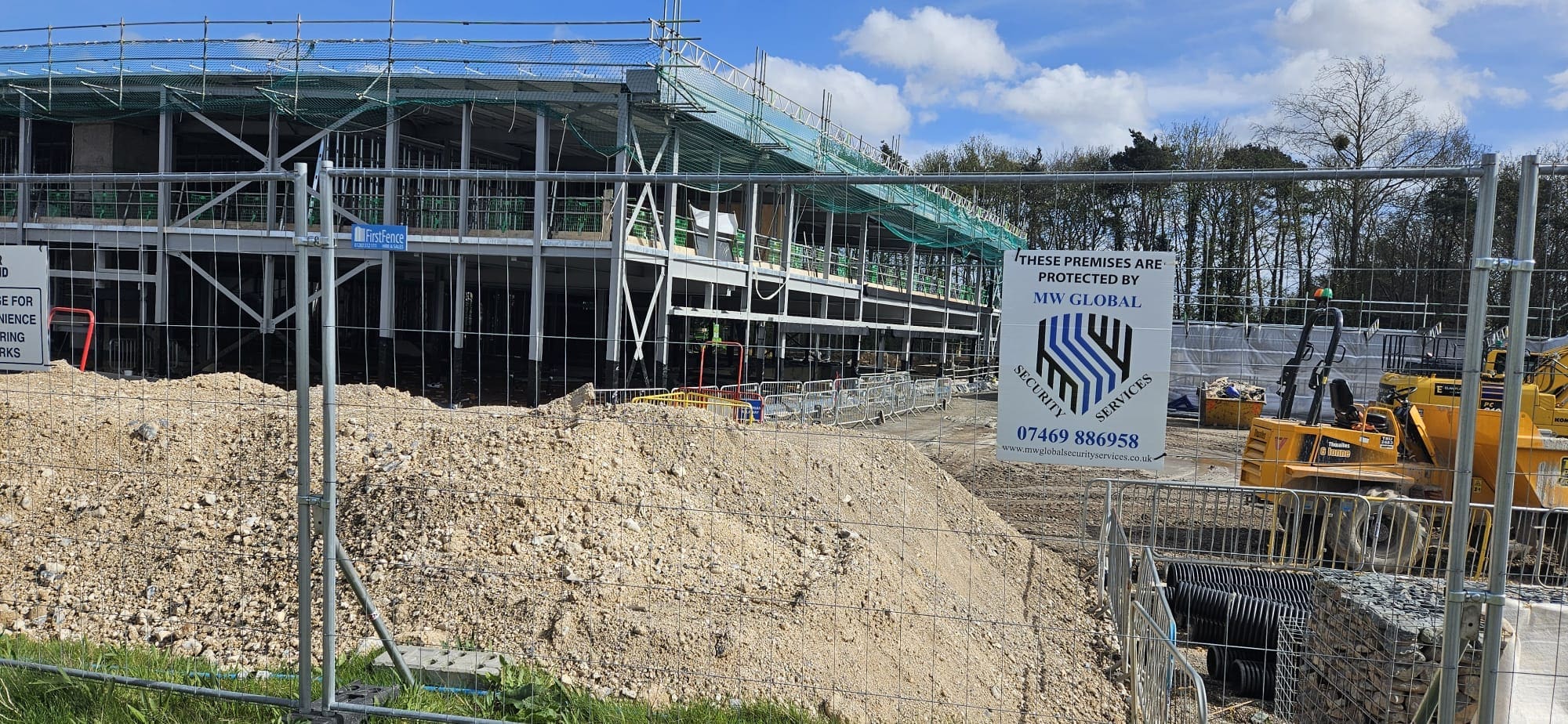
Requirements can be assessed for housing developments, commercial builds, refurbishments, demolition projects, infrastructure works, industrial sites and temporary compounds in Ipswich and nearby Suffolk locations.
No attendance or start time is confirmed until duties, staffing, travel, access and officer welfare arrangements have been reviewed and accepted.
Construction Site Security Ipswich FAQs
Can you provide security guards for an Ipswich construction site?
Yes, subject to a review of the site, duties, shift pattern, access arrangements, officer welfare and staffing availability.
Can guards control deliveries and contractor access?
Yes. The client should provide clear authorisation, induction and escalation procedures so expected and unexpected arrivals are handled consistently.
Can security cover be provided only at night or weekends?
Yes. Cover can be designed around the periods of greatest exposure rather than automatically staffing the site at all times.
Do you provide temporary CCTV or intruder detection?
Temporary systems can be considered alone or alongside guarding, patrols and keyholding according to the layout, power, communications and response requirement.
How are patrols recorded?
Where configured, records may include time, date, GPS, NFC or QR checkpoint data and photographs or video where appropriate.
What information is needed for a quotation?
Provide the site address, project stage, start date, required hours, duration, access points, main assets, recent incidents, welfare arrangements and expected duties.
Related Construction and Ipswich Security Services
Discuss Security for an Ipswich Construction Site
Speak directly with an experienced security professional for practical advice and a no-obligation quotation.
Site-specific enquiry
Request a Construction Site Security Assessment
Provide the project stage, site address, operating hours and main risks. We will review whether guarding, patrols, temporary systems or a combined plan is most appropriate.