
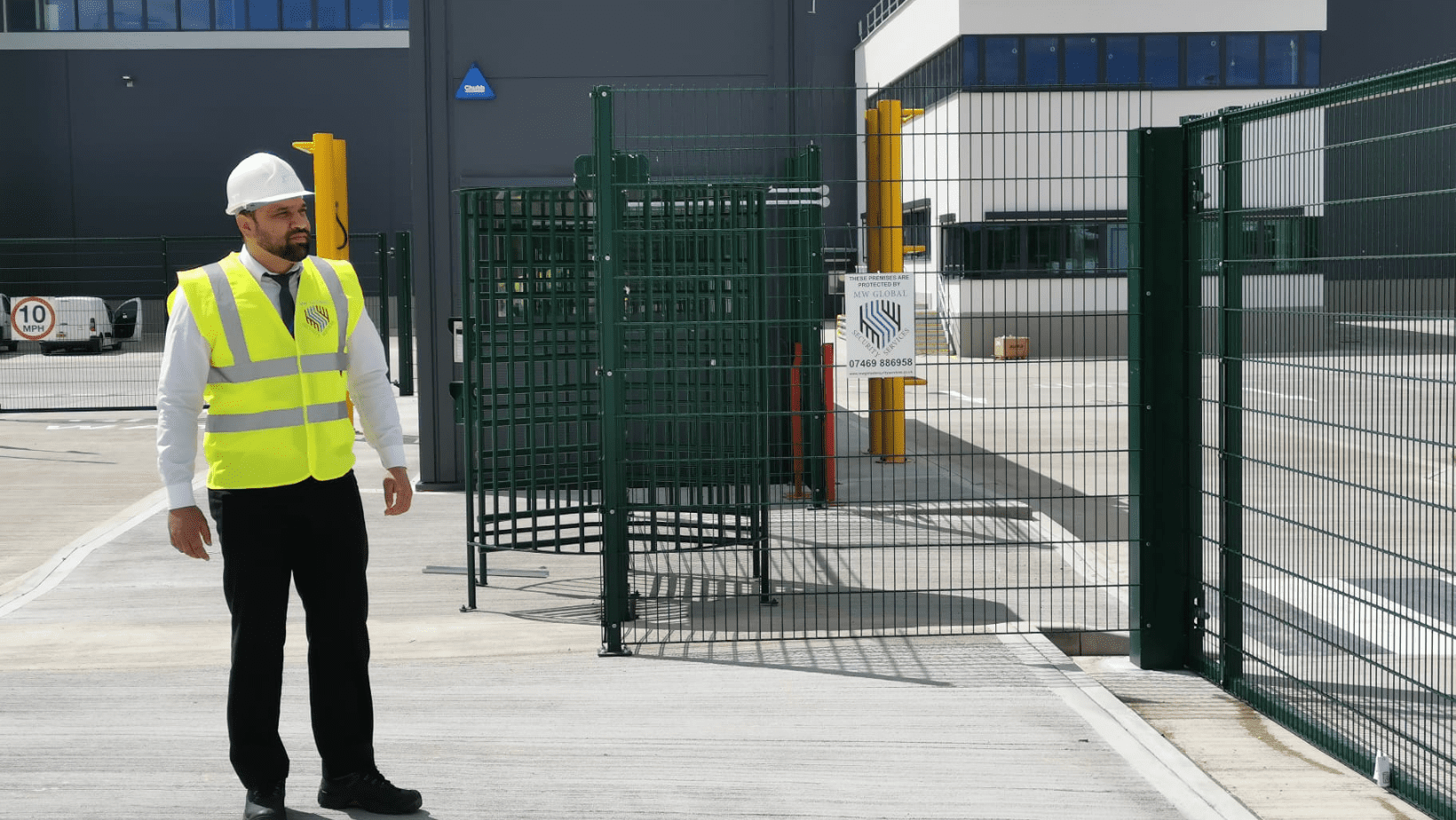
Coordinated protection for Suffolk premises and operational sites
Site Security Suffolk
Site security planning that brings people, patrols, access arrangements, detection and reporting into one workable operating plan.
Assignments are planned around the site, risks, operating hours, access requirements and the protection required.
Operational site protection
One Site, One Clear Security Plan
A site security requirement is rarely solved by choosing one service in isolation. A warehouse, business park, vacant property, construction project or industrial facility may need different controls at different times of day. The useful starting point is the site itself: its boundaries, access points, people, assets, incidents and operating pattern.
MW Global Security Services develops proportionate arrangements for suitable Suffolk sites. The result may involve a security officer, patrol schedule, keyholding and response, temporary detection, CCTV, access procedures or a combination of these measures.
This page is specifically about coordinating protection for an individual site. For the full county-wide service overview, visit Security Services Suffolk.
A useful site-security scope normally establishes:
- what must be protected and why;
- where unauthorised access is most likely;
- who requires legitimate access and when;
- what happens when an alarm, incident or exception occurs;
- what must be recorded, escalated and reviewed.
The four control layers
Where Effective Site Security Begins
The right arrangement should address the whole operating picture rather than adding isolated products or duties without clear instructions.
01
Boundary and perimeter
Identify vulnerable approaches, gates, fence lines, service yards, loading areas and places where natural surveillance is weak.
02
Access and movement
Define how staff, visitors, contractors, deliveries and vehicles enter, move through and leave the premises.
03
Presence and detection
Decide where visible security, patrol activity, alarms or CCTV provide useful deterrence, verification or early warning.
04
Incident and reporting
Set clear instructions for logging events, contacting nominated people, preserving information and escalating concerns.
Start with the operating problem
Choose Protection by Requirement, Not by Label
Several services may contribute to the final plan. These routes help separate the main requirement without turning this page into another general Suffolk service directory.
A regular on-site presence is required
For access control, gatehouse duties, asset protection, visitor management, patrols or a defined assignment at the premises.
The site is unoccupied or only needs scheduled checks
For opening and closing risks, perimeter checks, keyholding, alarm activation or out-of-hours attendance arrangements.
The risk or layout changes as work progresses
For construction, fit-out, temporary compounds, plant areas and sites where detection or physical cover may need to move.
The current weaknesses are not yet clear
For an evidence-led review of access, procedures, existing systems, incidents and practical improvement priorities.
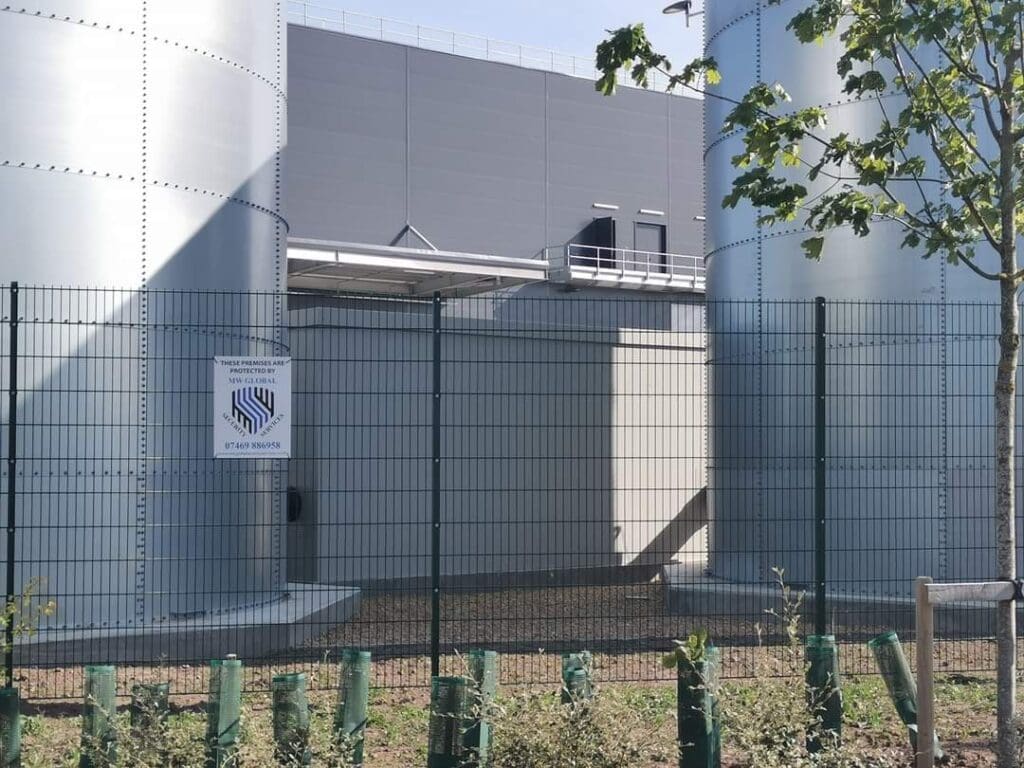
Commercial and operational sites
Warehouses, Industrial Premises and Business Parks
These premises often combine staff access, deliveries, vehicle movements, loading areas, valuable equipment and periods of reduced occupancy. A practical plan may need to separate daytime access management from evening or overnight protection.
- gate, reception or access-point duties;
- vehicle, contractor and visitor procedures;
- internal and external patrol instructions;
- loading-bay, yard and perimeter checks;
- incident and handover reporting.
Relevant specialist support includes gatehouse security, warehouse security and industrial site security.
Changing or temporarily exposed sites
Vacant Property, Construction and Short-Term Risk
A site may become more vulnerable during refurbishment, shutdown, vacancy, handover or changing construction phases. Entrances can move, power may be unavailable in some areas and the value or location of equipment can change from week to week.
The security plan should therefore be reviewable. Options may include mobile patrols, temporary wireless alarms, temporary security solutions or managed guarding where the risk and assignment justify it.
For empty buildings and sites awaiting occupation, see vacant property security.
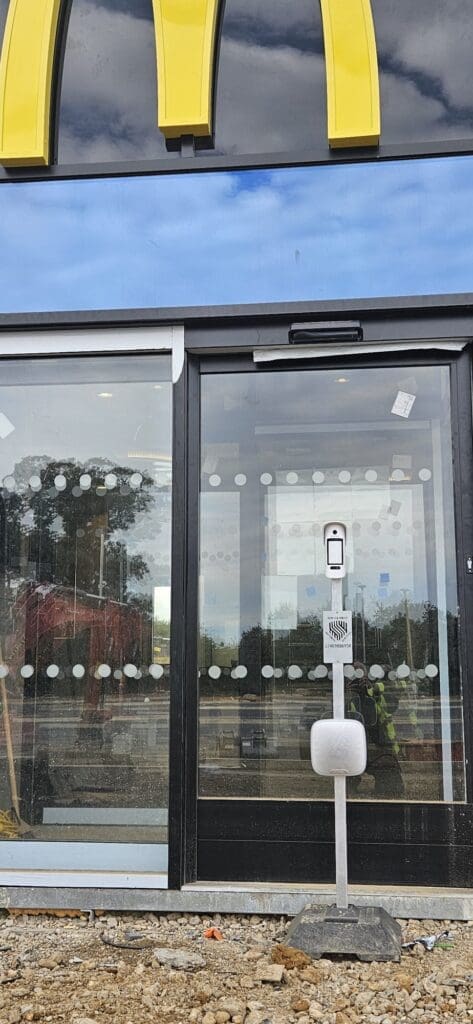
Coordinated security layers
People, Procedures and Technology Must Support Each Other
A camera, alarm or patrol is most useful when its purpose and response are defined. The operating plan should explain who receives information, what they check, what authority they have and what happens next.
- Security officers: visible presence, access duties, patrols and site-specific instructions.
- Mobile patrols: scheduled or varied visits with agreed check points and reporting.
- Keyholding and response: nominated attendance arrangements following an alarm or agreed trigger.
- Temporary alarms: movable detection for changing, vacant or short-duration requirements.
- CCTV: coverage designed around useful views, recording and the intended response.
- Site procedures: visitor rules, keys, passes, deliveries, escalation contacts and handovers.
Important: CCTV, alarms and remote notifications do not by themselves provide a complete response plan. Communications, verification, nominated contacts and attendance arrangements should be agreed for the actual site.
For permanent camera requirements, visit commercial CCTV installation.
From requirement to working arrangement
A Practical Site Security Planning Sequence
The purpose of mobilisation is not simply to place equipment or personnel on site. It is to create an arrangement that can be understood, followed and reviewed.
1
Understand the premises
Review the layout, operating hours, access points, assets, workforce, current controls and recent concerns.
2
Define the required outcome
Agree what the security arrangement must deter, detect, control, record or respond to.
3
Write the operating instructions
Set duties, patrol points, access procedures, contacts, reporting requirements and escalation limits.
4
Mobilise the agreed layers
Introduce personnel, patrols, keys, detection or CCTV in a controlled sequence suited to the site.
5
Review information and adapt
Use reports, incidents, changes in occupancy and operational feedback to keep the arrangement proportionate.
Prepare for a useful first discussion
What We Need to Understand
Information that helps us scope the site
- full address, postcode and site boundaries;
- normal and out-of-hours operating pattern;
- staff, visitor, contractor and delivery movements;
- recent incidents or known vulnerabilities;
- assets, areas or activities needing priority protection;
- existing alarms, CCTV, lighting, fencing and access controls;
- required start date, duration and decision deadline.
Coverage across Suffolk
MW Global Security Services assesses suitable commercial, industrial, construction, vacant and operational requirements across Suffolk. This can include Ipswich, Bury St Edmunds, Stowmarket, Felixstowe, Lowestoft, Newmarket, Sudbury, Woodbridge and surrounding areas, subject to the site, risk, duties and service required.
For a wider overview of county services and local routes, use the completed Security Services Suffolk hub.
Use the specialist page where the requirement is already clear
Related Suffolk and Site-Security Routes
Guarding assignment
A defined on-site presence for duties such as access, patrols, gatehouse support and incident reporting.
Construction project
Specialist protection for changing phases, plant, compounds, access and temporary risks.
Audit and improvement
A structured review when the current gaps, priorities or combination of measures need to be clarified.
Site security questions
Frequently Asked Questions
What does site security include?
Site security can include personnel, patrols, keyholding, access procedures, temporary alarms, CCTV, reporting and escalation arrangements. The appropriate combination depends on the premises and risks.
Is this page only for construction sites?
No. This page covers coordinated protection for commercial, industrial, vacant and operational premises. Construction requirements also have a dedicated Suffolk construction-security page.
Can guarding, patrols and alarm response be combined?
They can be combined where this produces a proportionate and workable arrangement. The responsibilities, triggers, attendance expectations and reporting process should be clearly defined.
Do all site-security assignments require an on-site guard?
No. Some premises may be better suited to patrols, keyholding, detection, CCTV or procedural changes. Other sites require an on-site presence because of access, activity or risk.
Can an existing security arrangement be reviewed?
Yes. A review can consider current guarding, patrols, alarms, CCTV, access controls, incidents and operating procedures before changes are recommended.
Are security personnel SIA licensed?
Where licensable security activity requires it, the personnel assigned are SIA licensed. The exact duties and assignment scope are established before mobilisation.
How quickly can a Suffolk site-security arrangement start?
Timescales depend on the site, risk, duties, hours, systems, mobilisation work and personnel required. We will confirm a realistic programme after reviewing the requirement.
What happens after I submit the form?
We review the site and duty information, clarify any missing details and then discuss the most suitable next step, which may be a call, site visit, audit or quotation.
Suffolk site security planning
Discuss the Site, Risks and Operating Requirement
Tell us what the premises does, when it operates, what needs protecting and what has prompted the review. We will help separate the immediate requirement from the longer-term arrangement.
Suffolk site security enquiry
Request a Suffolk Site Security Review
Provide the Suffolk site, operating hours, access, current controls and risk information you already know. Estimates are acceptable and we can clarify the detail during the first discussion.