

Security Guarding Cambridgeshire
SIA-licensed security guards for industrial estates, construction projects, energy sites, rural premises and multi-site operations across Cambridgeshire.
Site-specific duties, clear reporting and practical mobilisation for locations from Cambridge and Ely to Huntingdon, St Neots, Wisbech and surrounding areas.
Temporary, project and ongoing cover | Rural and commercial locations | Single or multiple sites

Guarding Beyond Cambridge City
Cambridgeshire includes busy urban locations, market towns, industrial estates, rural roads, isolated compounds, energy infrastructure and large development sites. A county-wide guarding service must therefore account for more than the duties carried out at the gate or reception desk.
Travel, access routes, communications, officer welfare, lone-working conditions and the availability of responsible site contacts all affect whether an assignment can be mobilised and operated safely.
Cambridge city has a separate page focused on its research, education, office and hospitality environment. This page covers the wider county requirement and the practical differences created by location, distance and site type.
What County-Wide Guarding Must Account For
Access and Travel
The correct entrance, route, parking and out-of-hours access must be confirmed before the first shift.
Communications
Phone or radio coverage and the method for contacting site management must work at the actual location.
Welfare and Lone Working
Shift length, shelter, heating, water, toilets and check-in arrangements form part of the site review.
Local Escalation
Officers need clear instructions for incidents, defects, blocked access and situations requiring emergency support.
Guarding for Different Cambridgeshire Environments
Duties and deployment arrangements are agreed for the individual site. These are common environments rather than a fixed package.
Rural and Remote Premises
Isolated entrances, long boundaries, limited nearby staffing and sites where an officer may be the only person present out of hours.
Energy and Utility Sites
Operational locations with contractors, controlled zones, essential equipment and access procedures linked to site safety rules.
Industrial and Logistics
Factories, depots, warehouses and distribution premises managing vehicles, deliveries, stock, contractors and restricted areas.
Development Projects
Changing compounds, temporary buildings, plant, tools, materials, deliveries and access routes that evolve as the project progresses.
Education and Public Sites
Schools, colleges and public-facing premises with visitors, events, contractors and established safeguarding or escalation procedures.
Unoccupied Property
Buildings awaiting sale, repair, redevelopment or occupation where condition, access and signs of unauthorised entry must be monitored.
Rural, Remote and Multi-Site Guarding
Remote locations can be harder to supervise because access routes are less visible, assistance may be further away and mobile coverage can vary. Multi-site clients also need consistent management without treating every property as though it has the same layout or risks.
- Confirm the full address, postcode, entrance and out-of-hours route.
- Test the available communication and officer check-in arrangements.
- Agree patrol routes, boundaries, welfare and areas that must not be entered.
- Use local site instructions alongside a consistent client reporting standard.
- Define who receives urgent calls, routine reports and unresolved defects.
Where continuous guarding is not required across every location, mobile patrols, keyholding or temporary detection may form part of a layered arrangement.
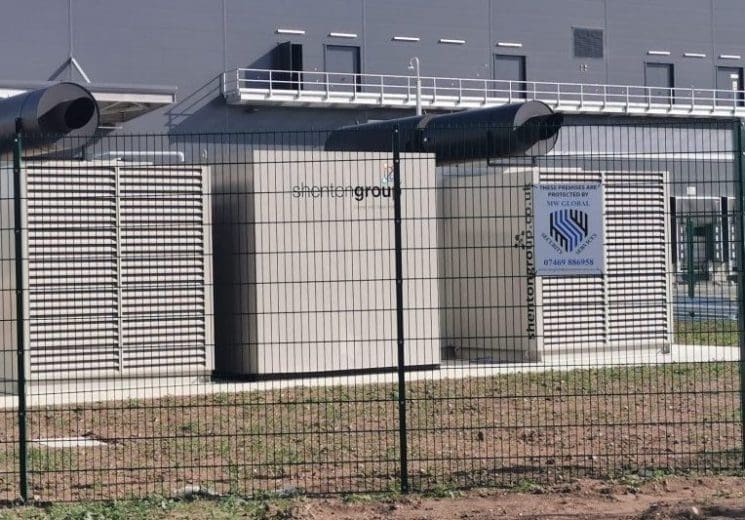

Energy, Industrial and Logistics Guarding
Operational sites may have contractors, deliveries, hazardous areas, restricted zones and essential equipment that cannot be managed like a standard office assignment.
Security officers can support entry control, visitor and vehicle records, perimeter patrols, key procedures, alarm escalation and communication with authorised operational contacts. The officer’s assignment complements the client’s safety and operational arrangements; it does not replace them.
At factories, depots and distribution premises, the guarding plan may also need to account for shift changes, loading areas, trailer movements, stock, delivery documentation and separation between pedestrians and vehicles.
Construction, Vacant and Transitional Sites
Both environments can change quickly, but the duties and risks are different. Each service should be reviewed against the current condition of the site.
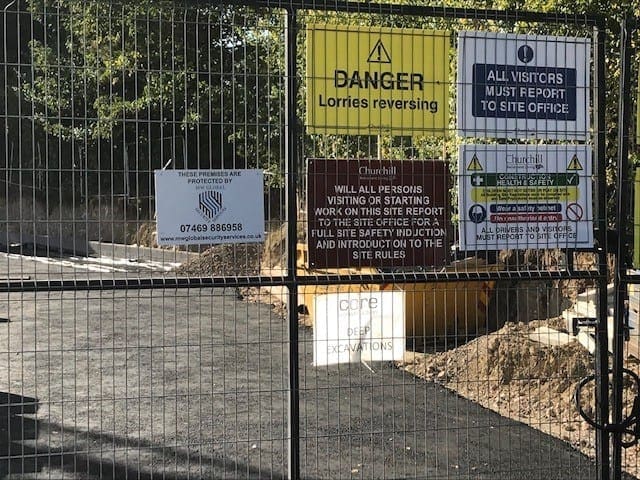
Construction and Development
Guarding may cover entrances, contractor access, deliveries, storage areas, plant compounds and out-of-hours patrols. Fencing, gates, lighting and working zones should be reflected in updated assignment instructions as the project changes.

Vacant and Transitional Property
Empty premises can face trespass, theft, vandalism, water damage, fire and unauthorised occupation. Depending on the risk, guarding may be combined with inspections, keyholding, temporary alarms or CCTV.
Guarding Duties and Client Reporting
Site-Specific Officer Duties
- Access control for staff, visitors, contractors, vehicles and deliveries.
- Patrols of buildings, boundaries, yards, plant and vulnerable areas.
- Key, pass, gate, lock-up, unlock and alarm procedures where agreed.
- Calm response and escalation when irregular activity or damage is discovered.
Records Clients Can Review
- Time-, date- and location-recorded patrol activity where the reporting system is included.
- Factual incident, occurrence and defect reports.
- Supporting photographs where appropriate and authorised.
- Escalation to nominated local or central client contacts.
The duties, reporting arrangement and recipients are agreed in the assignment instructions before cover begins.
How Cambridgeshire Guarding Is Mobilised
1. Define the Requirement
Confirm the location, hours, start date, duration, site type and reason for cover.
2. Review the Location
Assess access, patrol routes, communications, welfare, risks and escalation contacts.
3. Agree the Assignment
Set the duties, responsibilities, reporting, limitations, staffing and costs in writing.
4. Deploy and Review
Brief suitable officers and update the arrangement when the site or operational need changes.
Mobilisation depends on staffing, travel, access, welfare, inductions and the completeness of the information supplied.
Cambridgeshire Guarding Coverage
Requirements can be assessed in Cambridge, Ely, Huntingdon, St Neots, Wisbech and surrounding parts of Cambridgeshire. Availability is confirmed after reviewing staffing, travel, shift pattern and the practical demands of the location.
Security Guarding Cambridgeshire FAQs
Which parts of Cambridgeshire can you assess?
Requirements can be reviewed in Cambridge, Ely, Huntingdon, St Neots, Wisbech and surrounding areas, subject to staffing, travel and the shift pattern required.
Can you provide guarding at isolated or rural sites?
Yes, where access, communications, welfare, lone-working arrangements and escalation procedures are suitable for the assignment.
Can one guarding arrangement cover several locations?
A multi-site requirement can be reviewed. Each location retains its own access, patrol, key and emergency instructions while common reporting and management standards can be agreed across the portfolio.
When might patrols be more suitable than a permanent guard?
For some lower-activity or vacant sites, scheduled patrols, inspections, keyholding or temporary detection may provide a more proportionate arrangement. The choice depends on the risk, site layout and response required.
Do you guard construction projects outside Cambridge city?
Yes. County-wide projects can be assessed, including edge-of-town, rural and infrastructure-related sites with plant, materials, compounds and changing access arrangements.
What information helps you prepare a quotation?
The site location, required days and hours, preferred start date, expected duration, main duties, reason for cover and any access, communication or welfare constraints are the most useful starting details.
What can affect how quickly cover starts?
Officer availability, travel, site access, welfare, inductions, risk, shift length and the completeness of the assignment information all affect mobilisation.
Related Cambridgeshire Security Services
Review a Cambridgeshire Guarding Requirement
Send the location, approximate hours, preferred start date and a brief description of the duties. Estimates are fine at the first stage.
Cambridgeshire guarding enquiry
Request Cambridgeshire Guarding
Provide the essential details below. We will contact you to clarify the site, hours and duties rather than asking you to complete a lengthy specification now.