
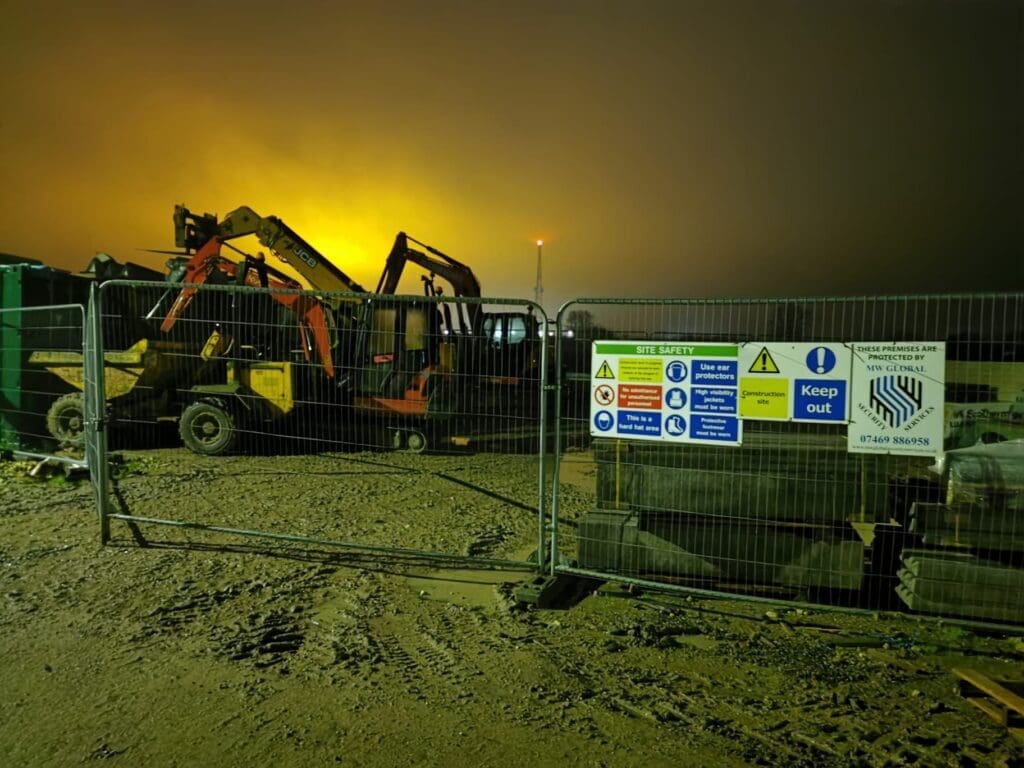
Construction security guidance • criminal damage • vandalism prevention
Construction Site Vandalism Prevention
Practical guidance for reducing criminal damage, deliberate interference and repeat vandalism across active construction projects.
Vandalism can stop work even when nothing is stolen. This guide looks at the areas most commonly exposed to damage, why apparently minor incidents can develop into repeated problems and how practical security measures can reduce opportunity, improve detection and support a proportionate response.
Knowledge guidance supporting our main construction site security services page.
Criminal Damage
Glazing, welfare units, plant and site infrastructure
Repeat Incidents
Small damage can reveal a known weakness
Fire & Interference
Deliberate acts can create disproportionate disruption
20+ Years’ Experience
Risk-led, practical security planning
Damage can be operationally expensive
Vandalism Can Disrupt a Construction Project Without Anything Being Stolen
Construction site vandalism can affect fencing, gates, glazing, welfare facilities, temporary electrics, lighting, CCTV, alarms, plant, site signage, completed finishes and partially installed services. A relatively small act of deliberate damage can create a much larger operational problem if an area has to be made safe, repaired, inspected or taken out of use before work can continue.
That makes vandalism different from straightforward theft. The immediate financial loss may be modest, but the consequential cost can include replacement materials, specialist attendance, cleaning, programme delay, lost working time and additional security measures. Damage can also create a fresh route into the site or expose equipment that was previously protected.
Vandalism can occur alongside construction site trespass, anti-social behaviour or attempted theft, but the motive is not always financial. Some damage is opportunistic, some is reckless and some is deliberate. The useful security question is therefore not simply “what was damaged?” but how the person reached the area, what allowed the activity to continue and whether the same opportunity remains available.
Common Forms of Construction Site Vandalism
Different types of damage expose different weaknesses, so the incident pattern matters as much as the repair cost.
Graffiti & Surface Damage
Walls, hoarding, completed finishes, doors and visible elevations can be marked or damaged, creating cleaning, repainting and replacement work.
Glazing, Doors & Welfare Units
Smashed windows, damaged doors, forced locks and interference with cabins or welfare areas can create both repair costs and fresh access opportunities.
Fence & Gate Damage
Bent panels, removed clips, cut mesh, damaged hoarding and forced gates may be vandalism in themselves or preparation for repeated intrusion.
Plant & Equipment Tampering
Controls, wiring, mirrors, panels, tyres, batteries or attachments may be interfered with even when there is no attempt to remove the machine itself.
Cables, Lighting & Temporary Services
Cut cables, damaged lighting, interfered cameras, temporary power or other site services can disable controls as well as create a repair requirement.
Fire-Setting & Reckless Damage
Bins, stored materials, temporary structures and other combustible items can be targeted deliberately or through reckless behaviour, creating disproportionate risk and disruption. For deliberate ignition and related security considerations, see our construction site fire risk and arson prevention guide.
Why Vandalism Can Become a Repeat Construction-Site Problem
Repeated damage often means the site has become familiar, accessible or predictable to the people causing it.
Low Supervision Creates Opportunity
Evenings, weekends, shutdowns and quieter project phases remove the normal visibility created by workers, deliveries and management activity. A site that is busy during the day can feel entirely different once the workforce leaves.
Minor Damage Can Expose a Pattern
Graffiti, a damaged panel, a discharged extinguisher or interference with lighting can look isolated. If similar activity recurs at the same time, boundary or part of the site, it may show that an offender understands the layout and expected response.
What we look for in practice
Look Beyond the Damage and Ask Why That Area Was Chosen
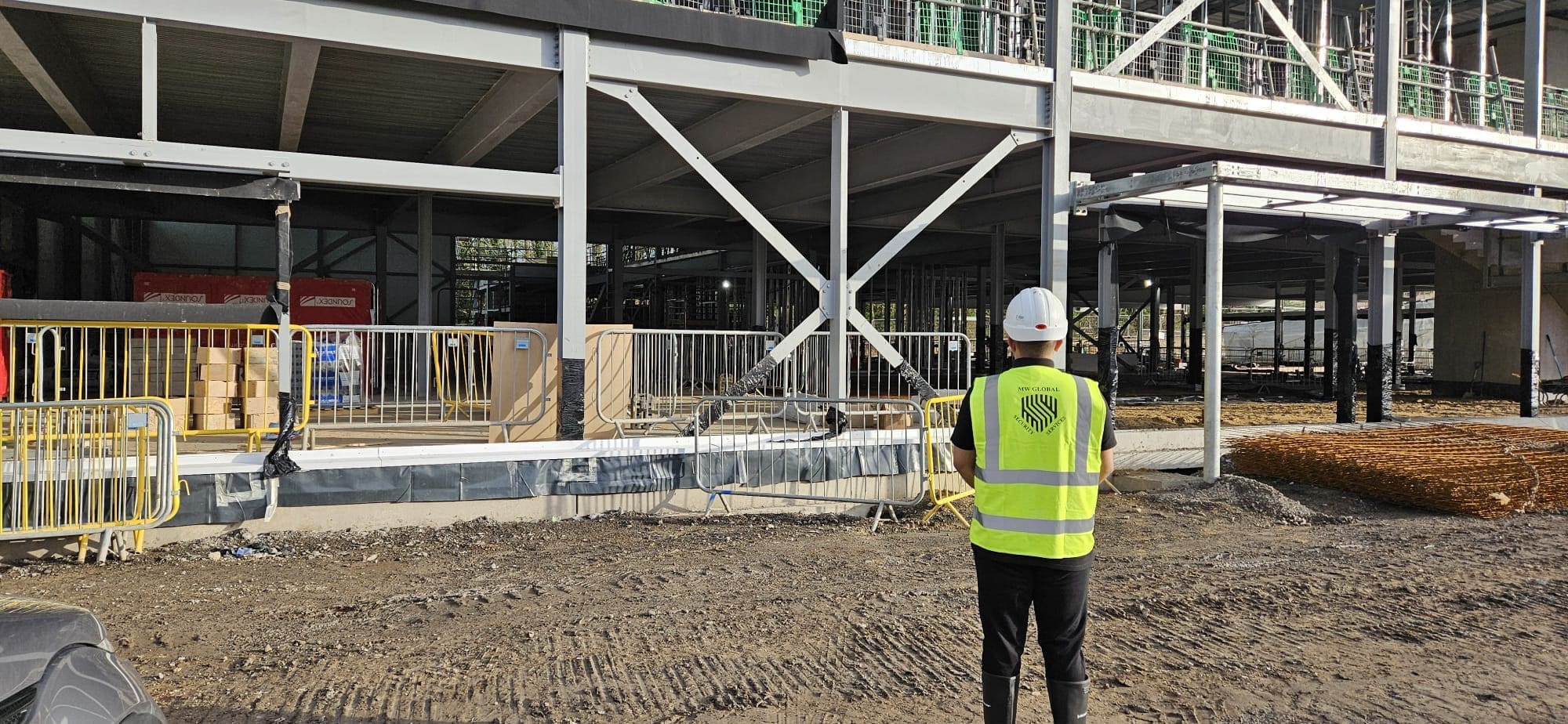
From our experience, the useful information after an incident is often around the damage rather than the damage itself. Where did the person enter? Was the area visible from outside? Could they remain there without being seen? Was lighting poor? Did a damaged boundary already exist? Was the affected equipment close to a known access route?
We also look for signs that the incident may have developed over time. Repeated graffiti, moved barriers, tampered fencing, discarded items, interference with temporary lighting or activity around the same elevation can indicate that the site is being revisited rather than experiencing unrelated one-off events.
The response should therefore deal with the route, opportunity and pattern as well as the repair. Replacing a broken window or fence panel is necessary, but it does not automatically remove the conditions that allowed the damage to happen.
The vulnerable target changes with the build
Vandalism Risk Changes as the Construction Project Develops
A useful vandalism-prevention plan should be reviewed as the assets, finishes and accessible areas change.
1. Mobilisation & Groundworks
Fencing, gates, temporary lighting, welfare areas, generators, fuel and early site infrastructure may be the most exposed items. Damage here can weaken the wider site before more valuable work begins.
2. Structure & External Envelope
Scaffolds, temporary stairs, installed glazing, roof access, facade materials and partially completed structures can create new targets and new ways to reach previously inaccessible areas.
3. Fit-Out
Finished walls, doors, glazing, electrical equipment, controls, fixtures and completed rooms can be expensive to repair. Access remains busy because multiple trades may still need to enter the same areas.
4. Handover & Partial Occupation
Completed areas can look finished and unguarded while defects work, commissioning or phased occupation continues. Responsibility for keys, alarms, access and damaged areas should remain clear through the transition.
Treat Repeat Damage as a Security Signal, Not Just a Maintenance Issue
Where vandalism is recurring, repairing the visible damage should be only one part of the response. The incident should be recorded with the location, time window, likely route of approach and any available CCTV, alarm or patrol information. That helps establish whether the activity is random or whether the same area is repeatedly being selected.
The surrounding site should then be checked for secondary effects. A damaged light may create a darker route later that night. Cut fencing may allow easier entry on the next visit. A forced welfare-unit door may expose keys, records or access to another part of the project. Interference with a camera or detector may be more significant than the replacement cost of the device itself.
Patrol instructions, detection zones, lighting, lock-up routines or access arrangements may need to change after the incident. The objective is not to react more dramatically to every act of damage, but to make sure the security arrangement learns from what actually happened.
Where deliberate fire-setting, significant structural damage or another immediate safety concern is suspected, the appropriate emergency and site-safety procedures should take priority.
A Practical Vandalism-Prevention Plan Uses Several Layers
The best combination depends on the site, the pattern of damage and what needs to happen when activity is detected.
1
Deter
Clear boundaries, secure gates, visible site management, appropriate lighting and security presence can reduce the impression that damage will go unnoticed.
2
Detect
CCTV, temporary alarms, suitable detection and patrol observations can provide earlier awareness of abnormal activity around vulnerable areas.
3
Limit Opportunity
Move vulnerable materials, protect controls, maintain fencing, remove obvious climbing aids and avoid leaving a damaged area exposed until the next working shift.
4
Respond & Review
Define who receives information, what action is expected, how damage is recorded and when the wider security plan should be adjusted after an incident.
Detection around exposed areas
Temporary Detection Can Help Protect Areas That Change During the Build
Temporary cameras and wireless detection can support areas where permanent systems are not yet practical, where the site layout changes frequently or where recent vandalism has identified a specific route or target. Equipment can be repositioned as boundaries, compounds, plant locations and internal spaces change.
For vandalism prevention, placement should follow the likely activity rather than simply cover the largest possible area. A vulnerable welfare unit, repeated fence-damage point, partially completed building entrance or isolated plant area may justify more focused detection than a general view of the whole site.
Notification, verification and the intended response should be agreed before the system is relied upon. A detector only adds value if the information it produces leads to an appropriate action.
Repeated Vandalism or Criminal Damage?
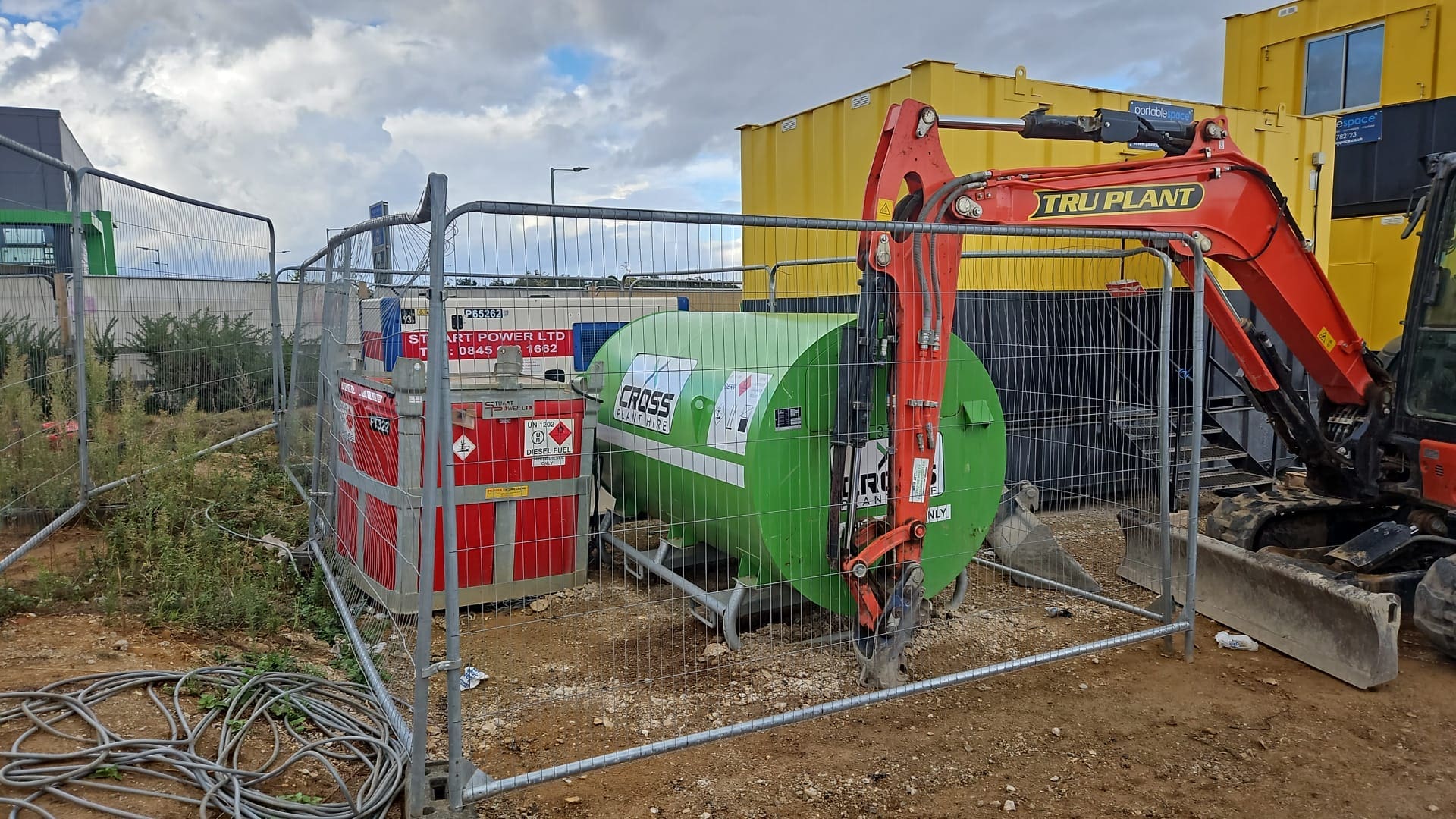
Tell us what has been damaged, where incidents are occurring, when they tend to happen and what security is already in place. We can discuss whether guarding, patrols, temporary detection, CCTV, response or a combined arrangement is proportionate.
When Guards or Mobile Patrols Add Value
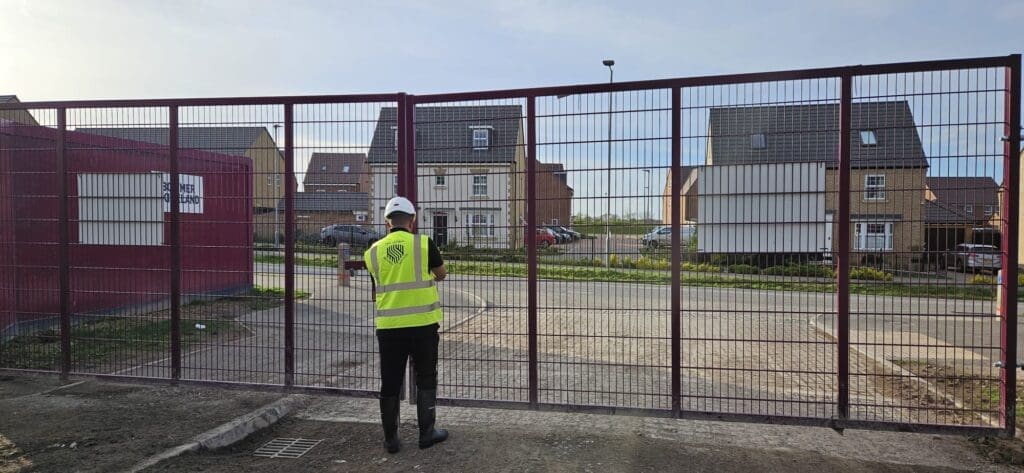
Some vandalism risks justify a physical security presence. Security officers can support access control, perimeter checks, lock-up procedures, visible deterrence and immediate on-site assessment where those duties form part of the agreed assignment.
Mobile patrols can suit sites where continuous guarding is not proportionate but regular out-of-hours inspection is still useful. A patrol can check known damage points, gates, fencing, welfare units, lighting, compounds and other agreed areas while recording whether conditions have changed since the previous visit.
Where a site has already experienced repeat vandalism, patrol instructions should be specific. The officer should know which locations have been affected, what signs of fresh interference to look for and who should be contacted if new damage or an insecure area is found.
Related Construction Security Services
Use this guide for vandalism-prevention information. The pages below explain the professional services that can support a live construction site where practical protection is required.
Related construction risk guidance: construction site theft prevention, construction site trespass prevention and construction site fire risk and arson prevention.
Construction Site Security
Main construction-security hub covering guarding, access control, patrols, temporary systems, CCTV, response and changing project phases.
Temporary Security
Temporary alarms, CCTV and supporting security arrangements for changing sites, isolated areas and short-term vandalism risks.
Mobile Patrols
Documented visits to inspect agreed gates, boundaries, damage points, compounds and other vulnerable areas outside normal working hours.
Security Guarding
SIA-licensed officers for suitable assignments requiring physical presence, access control, patrol duties and immediate on-site judgement.
Site Security Audits
Structured reviews of boundaries, access routes, existing controls, incident patterns and practical weaknesses that may allow repeated damage.
Commercial CCTV
CCTV design and installation for entrances, boundaries, compounds and other locations where visual monitoring or recorded evidence is required.
Construction Site Vandalism Prevention Questions
What is construction site vandalism?
It includes deliberate or reckless damage to a construction site, its buildings, temporary infrastructure, equipment or completed work. Examples can include graffiti, broken glazing, damaged fencing, cut cables, interference with plant, damaged welfare units and deliberate fire-setting.
Why can vandalism be costly even when nothing is stolen?
The direct repair may be only part of the cost. Work can be delayed while an area is inspected or made safe, specialist contractors may need to return, completed finishes may need replacing and damaged security controls can expose the site to further incidents.
Can CCTV or temporary alarms help reduce vandalism?
They can support deterrence, detection and verification when they are designed around a defined risk. Lighting, communications, normal site activity and the intended response should be considered before relying on a system.
Should repeated minor damage be treated differently from a one-off incident?
Repeated activity at the same boundary, time or part of the site can indicate a known weakness or a pattern of return visits. That usually justifies reviewing the route, detection, patrol instructions and surrounding controls rather than only repairing the visible damage.
Does vandalism risk change during the construction programme?
Yes. Early phases may expose fencing, fuel and temporary infrastructure, while later stages introduce glazing, finished surfaces, electrical equipment, fixtures and completed rooms. Security should be reviewed as these targets and access routes change.
When might a construction site need security guards?
Guarding may be appropriate where continuous physical presence, access control, immediate on-site judgement or defined patrol duties are required. The decision should follow the actual site risk and duties rather than be assumed for every project.
What should happen after a vandalism incident?
The immediate damage should be managed under the site’s safety and incident procedures, the affected area should be made secure and the circumstances recorded. The route of approach, surrounding controls and possibility of repeat activity should then be reviewed so the response is not limited to the repair alone.
Discuss Construction Site Vandalism Risk
If criminal damage is already occurring, or you want to reduce the opportunity before it becomes established, tell us about the site, the affected areas, recent incidents and the periods that need protection.
Site-specific construction enquiry
Tell Us About Your Construction Site
Provide the information currently available. We can then assess whether guarding, patrols, temporary systems, response arrangements or a combined service may be suitable.
Useful details include:
- Site address, postcode and current project phase
- Required hours, days, start date and duration
- Number of access points, compounds and vulnerable boundaries
- Areas affected by damage, vulnerable boundaries, welfare units, plant, glazing or temporary services
- Current security measures and recent incidents
- Required duties, reporting and escalation arrangements