
Construction security guidance • plant • machinery • tools • project continuity
Construction Plant Machinery Theft
Practical security measures for reducing theft opportunities around plant, machinery, tools, fuel and other valuable construction assets.
Plant theft can create replacement cost, downtime and disruption. Effective protection usually combines physical controls, operating procedures, detection and a clear response plan rather than relying on one measure alone.
This guidance supports our main construction site security services page.
Control Access
Know who and what should be on site
Protect High-Value Assets
Prioritise plant, tools, fuel and materials
Detect Exceptions
Use patrols, alarms or CCTV where suitable
Plan the Response
Agree escalation before an incident occurs
Why Construction Plant and Machinery Attract Theft Risk
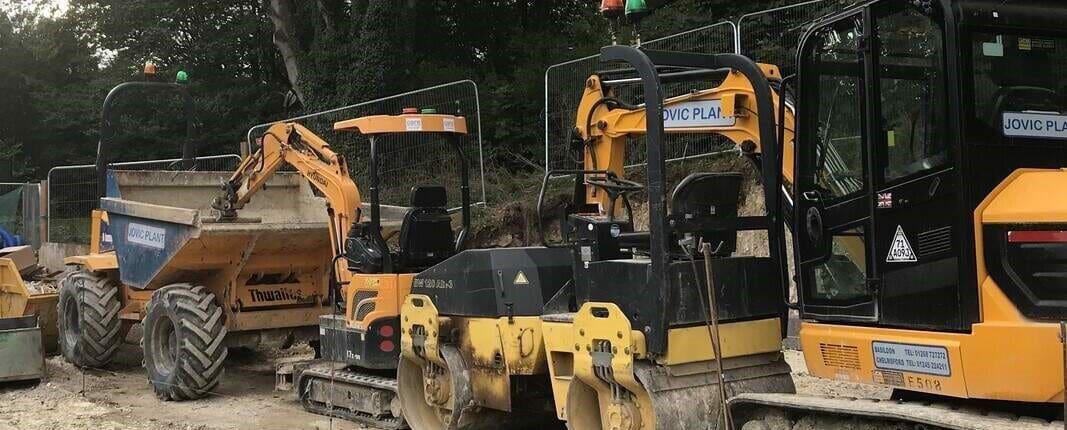
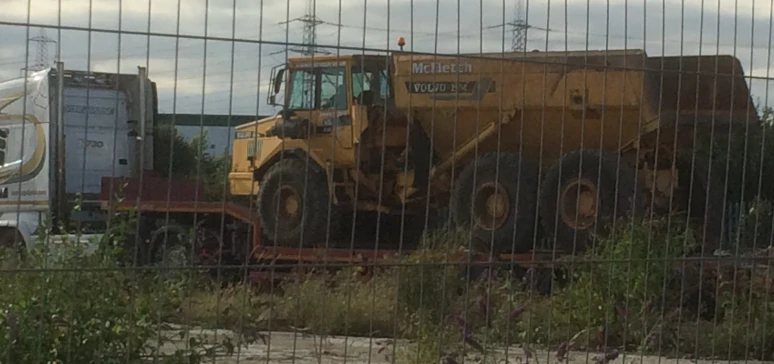
Construction projects bring together valuable machinery, tools, fuel, cable, materials and temporary storage in an environment that changes constantly. Gates move, contractors change, plant arrives and leaves, and completed areas may sit alongside unfinished or lightly supervised parts of the site.
Large plant is valuable and can be difficult to replace quickly. Smaller tools and components may be easier to remove unnoticed. The security plan should therefore consider both high-value equipment and the repeated loss of smaller items.
The aim is not to promise that theft can be eliminated. It is to reduce opportunity, make unauthorised activity easier to detect and ensure that suspicious events trigger an agreed response.
How Theft Opportunities Develop on Construction Sites
Access and Boundary Weaknesses
Temporary fencing, multiple entrances, shared routes and changing work areas can create opportunities for unauthorised access if responsibilities are unclear.
Keys and Asset Control
Keys left in machinery, unsecured compounds, inconsistent handovers or poor asset records can make valuable equipment easier to remove or harder to account for.
Out-of-Hours Exposure
Evenings, weekends, shutdowns and lightly occupied periods remove much of the natural supervision present during the working day.
Changing Project Layout
A security arrangement that suited mobilisation may be unsuitable once compounds move, buildings become enclosed or fit-out materials and specialist equipment arrive.
Deliveries, Contractors and Hired Equipment
Busy access points and third-party equipment require clear delivery, collection, identification and authorisation procedures so legitimate movements can be distinguished from exceptions.
Practical Controls for Plant, Machinery and Tool Theft
- Perimeter and entrances: maintain fencing or hoarding, secure gates and remove avoidable access opportunities.
- Plant and key control: remove keys when equipment is unattended, use agreed immobilisation measures and control access to authorised users.
- Secure storage: use suitable compounds, containers or protected zones for tools, fuel and smaller high-value items.
- Asset identification: keep usable plant, tool and equipment records and use appropriate marking or registration arrangements where required by the business or insurer.
- Lighting and observation: use lighting, CCTV or temporary detection where the environment and risk make them suitable.
- Staff and contractor procedures: include security expectations in inductions, delivery processes, key management and close-down routines.
- Escalation: decide in advance who receives alerts, who attends and when police or other emergency services should be contacted.
Controls should be proportionate to the project. For broader guidance across theft, trespass, vandalism and changing site risks, see our construction site theft prevention guide and main construction site security service.
Layered Security for Construction Assets
Security Guarding
A dedicated officer can control access, patrol agreed areas, record exceptions and respond immediately to incidents found during the guarding period.
Mobile Patrols
Scheduled or varied visits can check boundaries, gates, compounds and signs of attempted entry where continuous guarding is not required.
Temporary Detection & CCTV
Temporary alarms, sensors or cameras can support vulnerable compounds, cabins and approaches where power, communications and the site environment allow.
Alarm Response
Where suitable, an agreed keyholding or response arrangement can provide a defined attendance route after a verified or actionable activation.
The Business Impact of Construction Theft
The immediate loss of plant or tools is only part of the problem. A project may also lose working time while replacement equipment is sourced, supervisors investigate what happened, access procedures are changed or damaged security measures are repaired.
Delays can affect following trades, delivery schedules and handover dates. For that reason, protecting plant and machinery should be considered as part of project continuity rather than as a stand-alone security purchase.
After a theft or attempted theft, the security arrangement should be reviewed. The event may reveal a weakness in boundaries, access control, storage, key management, detection or escalation that should be addressed before normal routines resume.
Related Construction Security Guidance
Construction Site Security
Guarding, patrols, temporary detection, CCTV and response planned around the project.
Theft Prevention
Broader guidance covering plant, tools, fuel, metals, materials and changing opportunity.
Fire & Arson Risk
Security guidance for deliberate fire-setting, vulnerable areas and out-of-hours exposure.
Discuss Construction Plant Theft Risk
Tell us about the site, valuable plant or materials, operating hours, current controls and the main concern. We can then assess the most appropriate security approach.
Site-specific construction enquiry
Tell Us About Your Construction Site
Provide the information currently available. We can then assess whether guarding, patrols, temporary systems, response arrangements or a combined service may be suitable.
Useful details include:
- Site address, postcode and current project phase
- Required hours, days, start date and duration
- Number of access points, compounds and vulnerable boundaries
- Plant, tools, fuel, materials and other high-value areas
- Current security measures and recent incidents
- Required duties, reporting and escalation arrangements