

Construction Site Security Cambridge
Guarding, delivery control, patrols and temporary security for Cambridge projects where access, neighbouring premises and changing site layouts require careful coordination.
Built around the current phase of the project—not a generic security package.
Construction Security in a Busy City Environment
Cambridge projects may operate beside occupied offices, research buildings, colleges, shops, homes, public footpaths or restricted roads. Security therefore needs to protect the site without obstructing authorised workers, deliveries or neighbouring operations.
The plan should identify who controls access, when deliveries are expected, which areas remain vulnerable after work stops and how exceptions are escalated to the site team.
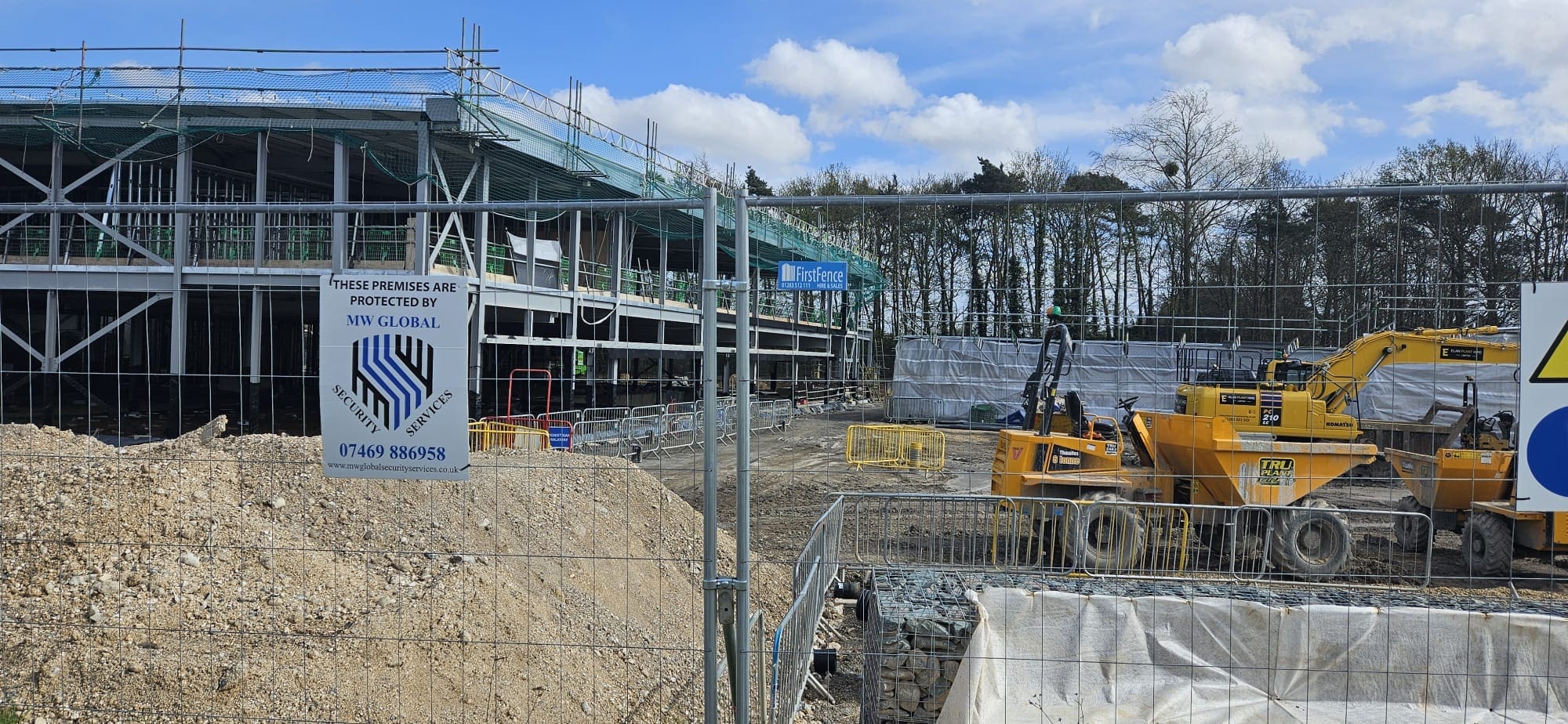
Where Cambridge Construction Projects Commonly Become Exposed
Constrained Entrances
One access point may need to handle workers, visitors, subcontractors and timed deliveries without allowing tailgating or undocumented entry.
Occupied Neighbours
Public routes, adjoining businesses or residential areas can increase accidental entry, complaints and the need for calm communication.
Changing Work Zones
Scaffold access, completed floors, temporary fencing, cabins and storage areas move as the project progresses.
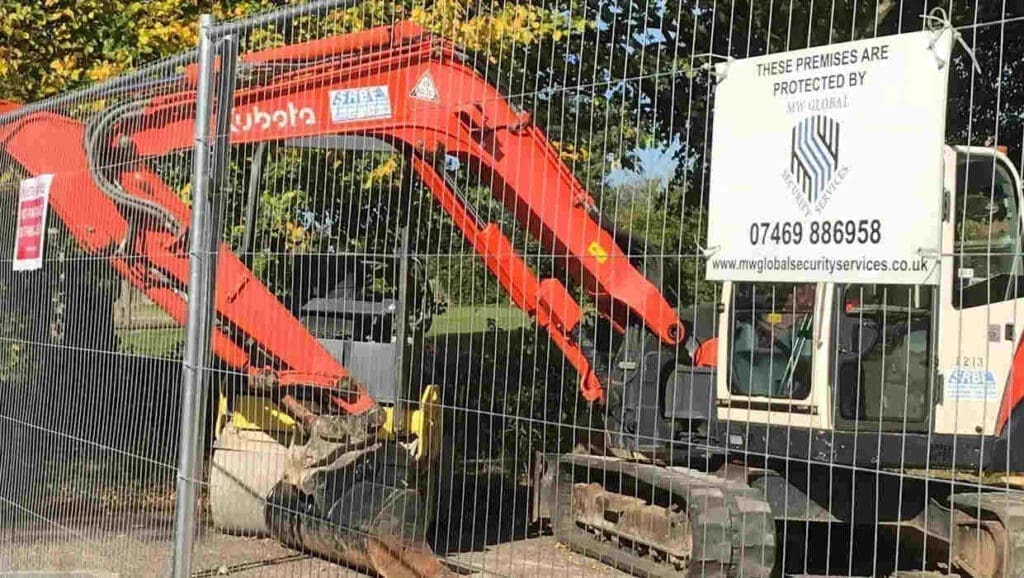
Access, Deliveries and Contractor Verification
The officer needs a workable process for expected contractors, delivery vehicles, visitors, inductions and exceptions. The client should define who can approve an unexpected arrival and what happens when paperwork, passes or identification are incomplete.
- Expected delivery lists and nominated approval contacts
- Contractor sign-in, pass and induction checks
- Vehicle or pedestrian gate procedures
- Restricted-area and key-control instructions
- Recorded handover of temporary site changes
Match the Security Measure to the Project Phase
| Project phase | Typical exposure | Proportionate security response |
|---|---|---|
| Mobilisation | Temporary fencing, cabins, early plant and incomplete routines | Boundary review, controlled entry, temporary detection and clear opening/closing procedures. |
| Active works | Frequent contractors, deliveries, fuel, tools and changing work zones | Guarding, gate control, patrol priorities and factual incident reporting. |
| Fit-out | Installed equipment, materials and partially completed internal areas | Restricted access, keys, internal patrols and targeted alarm or CCTV coverage. |
| Shutdown | Reduced staffing during weekends, holidays or temporary pauses | Night guarding, patrols, alarm response or a temporary combined plan. |
| Handover | Completed units, snagging teams and changing responsibility | Revised keys, access lists, patrol route and final escalation arrangements. |
Plant, Tools, Fuel and Completed Areas
Asset protection should start with the actual site layout. A guard cannot compensate for uncontrolled keys, unsecured plant, poor lighting or materials left outside the agreed compound.
The security assessment should identify high-value assets, likely removal routes, overnight storage, immobilisation arrangements, lighting, blind spots and the checks expected during each patrol.
Temporary Alarms and CCTV Without Overstating Their Role
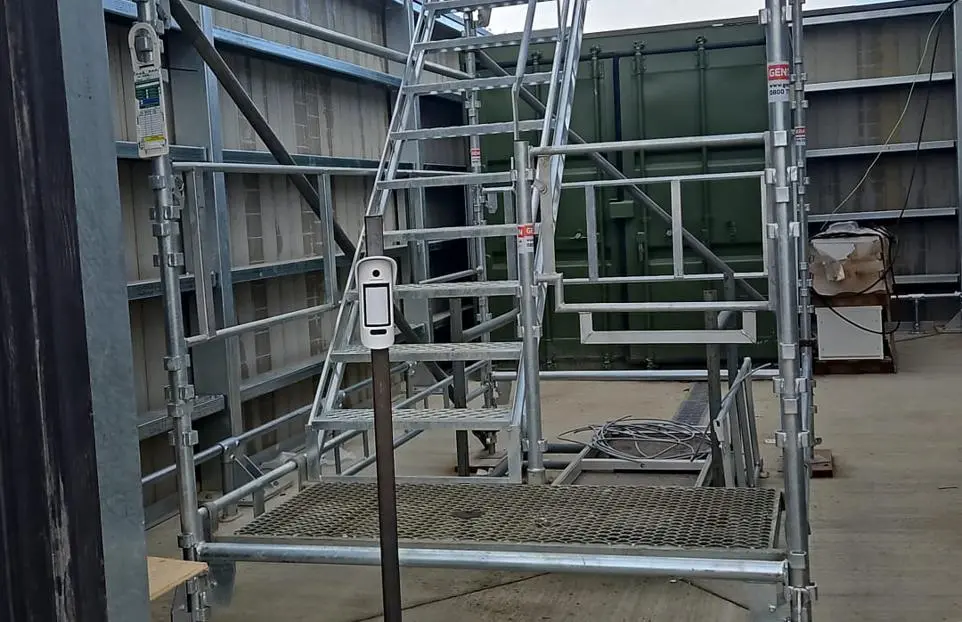
Temporary alarms and CCTV can provide useful detection and verification around cabins, compounds, scaffold access or completed areas. They work best when the power, communications, detection zones, keyholders and response actions have all been agreed.
Technology does not automatically replace guarding. Equally, every project does not need a full-time officer. The correct mix depends on the threat, site activity, response requirement and the consequences of an incident.
What Good Construction Security Reporting Should Show
Routine Activity
- Officer arrival and handover
- Access and delivery records
- Patrol completion
- Keys, passes and alarm actions
Exceptions
- Damaged fencing or gates
- Unsecured plant or cabins
- Unexpected people or vehicles
- Lighting, water or fire-related defects observed
Escalation
- Who was contacted
- Time and method of contact
- Action taken
- Any matter still awaiting client attention
Before Security Starts
A realistic mobilisation review protects both the client and the officer. No start time should be confirmed until the duties, access, staffing, travel, welfare and risk level have been accepted.
- Full Cambridge site address and access instructions
- Required dates, shift times and likely duration
- Gate, delivery, contractor and induction procedures
- Current project stage and high-value assets
- Emergency and management contacts
- Officer welfare, lighting and communications

Construction Site Security Cambridge FAQs
Can you provide a guard for a Cambridge construction site?
Yes, subject to a review of the address, duties, hours, project stage, access, staffing and officer welfare.
Can the officer manage deliveries and contractors?
Yes. The site must provide clear expected-arrival, identification, induction and exception-approval procedures.
Can cover be provided only overnight or at weekends?
Yes. Security can be planned around the periods of greatest exposure rather than automatically staffing every operating hour.
Can temporary alarms or CCTV be used instead of a guard?
They may be suitable for some risks and phases. The decision depends on detection, verification, communications, response and the consequences of an incident.
Can security instructions change as the project develops?
They should. Access points, storage areas, completed zones and risks change throughout the build, so the assignment instructions need planned review.
Do you guarantee immediate deployment?
No. Urgent requirements can be assessed, but attendance is not confirmed until staffing, travel, access, duties, welfare and risk have been reviewed.
Related Cambridge Construction and Security Services
Discuss Security for a Cambridge Construction Project
Speak directly with an experienced security professional for practical advice and a no-obligation quotation.
Site-specific enquiry
Request a Cambridge Construction Security Assessment
Tell us about the project stage, access constraints, delivery activity and assets on site. We will review whether guarding, patrols, temporary systems or a combined approach is proportionate.